
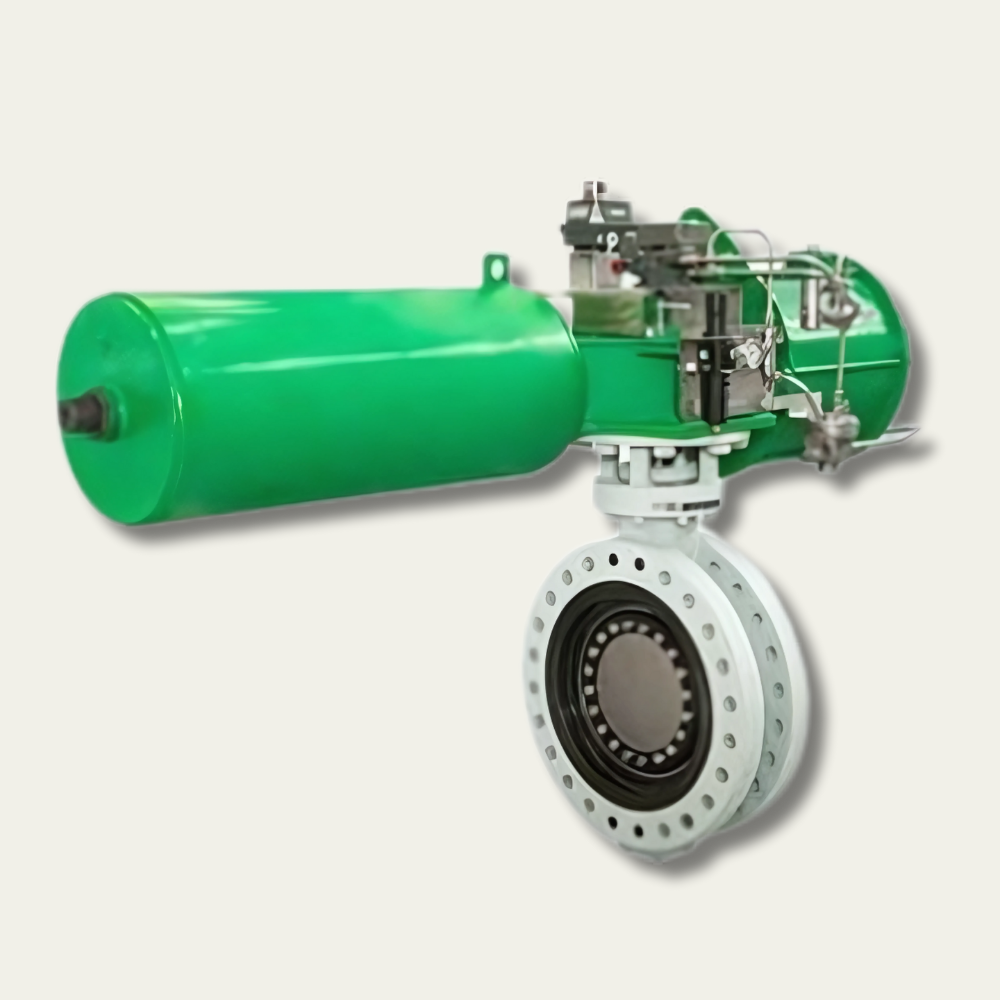
Selecting the right valve is one of the most important decisions when designing or upgrading any fluid handling system. A well-planned butterfly valve selection guide helps engineers, contractors, plant managers, and procurement teams choose a valve that delivers reliable flow control, long service life, and minimal maintenance.
At our company, we manufacture and supply high-performance butterfly valves designed to meet the demanding requirements of water treatment facilities, mining operations, manufacturing plants, chemical processing systems, and other industrial applications. Whether you need a resilient butterfly valve, lug butterfly valve, wafer butterfly valve, or butterfly valve stainless model, selecting the correct product begins with understanding your operating conditions and performance expectations.
This guide explains the key factors that influence butterfly valve selection, helping you make informed decisions that improve efficiency, reduce downtime, and maximize the value of your investment.
Why Butterfly Valves Are Widely Used
Butterfly valves have become one of the most popular valve types because they combine simple operation with reliable shut-off and flow regulation. Their compact design requires less installation space than many other valve types while offering excellent performance across a wide range of applications.
Compared to larger gate or globe valves, butterfly valves are lighter, easier to install, and often more economical without sacrificing operational reliability.
Industries commonly using butterfly valves include:
- Water treatment plants
- Wastewater facilities
- Mining operations
- Power generation
- Chemical processing
- Marine systems
- HVAC networks
- Food processing
- Manufacturing facilities
- Irrigation infrastructure
Their versatility makes them suitable for both isolation and throttling applications.
Understanding Your Application First
Every system has unique operating conditions. Before choosing any valve, it is important to evaluate how the system will perform during daily operation.
Questions to consider include:
- What fluid is flowing through the pipeline?
- What operating pressure will the valve experience?
- What is the normal operating temperature?
- Will the valve remain fully open or frequently cycle?
- Is the valve used for isolation or flow regulation?
- Does the environment involve corrosion or abrasive materials?
Answering these questions provides the foundation for selecting the most appropriate industrial butterfly valve.
Selecting the Correct Butterfly Valve Type
Different butterfly valve designs serve different installation requirements. Understanding these differences helps ensure optimal performance.
Wafer Butterfly Valve
A wafer butterfly valve is designed to fit between two pipeline flanges. It is one of the most economical and compact valve designs available.
Benefits include:
- Lightweight construction
- Reduced installation space
- Cost-effective solution
- Simple installation
- Suitable for many water and industrial systems
Wafer valves are commonly installed where bi-directional sealing is acceptable and piping loads remain moderate.
Lug Butterfly Valve
A lug butterfly valve features threaded inserts that allow the valve to be bolted directly between pipeline flanges.
This design offers several advantages:
- Easier pipeline maintenance
- One side of the pipeline can be removed without affecting the other
- Stronger installation support
- Better suited for higher service demands
Lug valves are frequently selected for mining plants, industrial processing facilities, and critical water distribution systems.
Resilient Butterfly Valve
A resilient butterfly valve incorporates an elastomer seat that creates a reliable bubble-tight seal.
Advantages include:
- Excellent sealing performance
- Lower operating torque
- Reduced leakage
- Longer service life
- Ideal for clean water systems
Municipal water treatment plants and distribution networks often prefer resilient seated butterfly valves because they offer dependable performance with minimal maintenance.
Choosing the Right Valve Material
Material selection directly impacts valve durability, corrosion resistance, and operational life.
Common materials include cast iron, ductile iron, carbon steel, stainless steel, bronze, and specialty alloys.
The correct material depends on:
- Fluid characteristics
- Chemical compatibility
- Operating temperature
- Environmental conditions
- Required service life
A valve installed in a drinking water system may require different materials than one handling mining slurry or corrosive chemicals.
When to Choose Butterfly Valve Stainless Models
For demanding industrial environments, butterfly valve stainless options provide superior resistance to corrosion and wear.
Stainless steel valves are commonly selected for:
- Chemical processing
- Marine environments
- Food manufacturing
- Pharmaceutical production
- High humidity installations
- Corrosive process fluids
Although stainless steel valves may involve a higher initial investment, they often deliver lower lifecycle costs due to reduced maintenance and longer operational life.
Valve Sizing Matters More Than Many Realize
Proper valve sizing is one of the most overlooked aspects of system design.
An oversized valve can reduce flow control accuracy, while an undersized valve may increase pressure loss and reduce system efficiency.
Several factors influence sizing:
- Flow rate
- Pipe diameter
- Fluid velocity
- Pressure drop
- Required control accuracy
- System operating conditions
Selecting the correct valve size helps improve energy efficiency while extending the service life of pumps, actuators, and the valve itself.
Pressure and Temperature Ratings
Every butterfly valve is manufactured to operate within specified pressure and temperature limits.
Before installation, verify that the valve rating matches your operating conditions.
Consider:
- Maximum working pressure
- Normal operating pressure
- Pressure surges
- Fluid temperature
- Ambient conditions
Choosing a valve with the proper rating improves safety and prevents premature equipment failure.
Selecting the Right Disc and Seat Combination
The interaction between the disc and seat determines sealing performance, wear resistance, and valve lifespan.
Common seat materials include:
- EPDM
- NBR
- PTFE
- Viton
Each material offers different advantages depending on the fluid and operating temperature.
Similarly, disc materials should be selected based on corrosion resistance, strength, and compatibility with the process media.
Selecting the Best Actuation Method
The performance of a butterfly valve is influenced not only by its construction but also by the way it is operated. Choosing the correct actuation method improves efficiency, simplifies operation, and supports long-term system reliability.
The three most common operating methods include manual, electric, and pneumatic actuation.
Manual Operation
Manual butterfly valves are commonly operated using a hand lever or gear operator. They are suitable for systems where valves are adjusted occasionally and where automation is not required.
Typical applications include:
- Water distribution pipelines
- Irrigation systems
- Building services
- Utility networks
Manual valves offer a practical and cost-effective solution for many installations while requiring minimal maintenance.
Electric Actuation
Electric actuators allow valves to be opened or closed remotely through automated control systems. They are widely used where precision, monitoring, and process integration are priorities.
Electric actuated valves are ideal for:
- Water treatment facilities
- Industrial automation
- Manufacturing plants
- Remote pumping stations
They can also be integrated with SCADA or PLC systems to improve operational efficiency and reduce manual intervention.
Pneumatic Actuation
Pneumatic butterfly valves use compressed air to provide fast and reliable operation. They are preferred in facilities where rapid cycling and dependable automation are essential.
Common applications include:
- Mining operations
- Chemical plants
- Industrial processing
- Bulk material handling
- Power generation
Their quick response and durability make them suitable for demanding industrial environments.
Factors That Influence Valve Performance
Selecting the right butterfly valve involves more than matching the pipe size. Several operating conditions directly affect performance and service life.
Fluid Characteristics
Different fluids place different demands on valve components.
For example:
- Clean water requires reliable sealing and corrosion resistance.
- Slurry systems require enhanced wear resistance.
- Chemicals demand compatible body, disc, and seat materials.
- Seawater requires superior corrosion protection.
Understanding the fluid being handled is one of the first steps in making the right valve selection.
Operating Frequency
Some valves remain open for long periods, while others cycle hundreds of times each day.
High-cycle applications require:
- Durable bearings
- High-quality shaft seals
- Low operating torque
- Wear-resistant seats
Selecting a valve designed for frequent operation reduces maintenance costs over time.
Installation Environment
Environmental conditions should also be evaluated before selecting a valve.
Consider factors such as:
- Outdoor exposure
- High humidity
- Dust and debris
- Corrosive atmospheres
- Extreme temperatures
Choosing suitable coatings and materials helps protect the valve throughout its service life.
Butterfly Valves for Water Systems
Water infrastructure requires dependable flow control while maintaining long-term reliability with minimal maintenance.
Our butterfly valves are designed for various water applications, including:
- Drinking water distribution
- Water treatment plants
- Wastewater facilities
- Pumping stations
- Irrigation systems
- Reservoir networks
A resilient butterfly valve is often preferred in these applications because it provides excellent sealing performance and dependable operation even after years of service.
Proper valve selection also helps reduce water loss, improve energy efficiency, and simplify maintenance planning.
Butterfly Valves for Mining Operations
Mining environments present some of the most challenging operating conditions for industrial valves.
Systems frequently transport:
- Abrasive slurry
- Process water
- Tailings
- Chemical solutions
- High-pressure fluids
These demanding applications require valves capable of handling continuous wear while maintaining reliable shut-off.
A lug butterfly valve is often selected for mining operations because of its robust mounting design and ease of maintenance. Depending on the process, stainless steel components and specialized seat materials may also be recommended to maximize durability.
Choosing the correct valve for mining applications reduces downtime and helps maintain consistent production.
Butterfly Valves in Industrial Processing
Industrial facilities depend on reliable valves to support efficient production and safe operation.
Applications include:
- Manufacturing plants
- Chemical processing
- Oil and gas support systems
- HVAC installations
- Food and beverage production
- Marine systems
- Power generation
An industrial butterfly valve offers a balance of compact design, dependable sealing, and efficient flow control across a broad range of operating conditions.
When combined with appropriate materials and proper installation, these valves provide years of reliable service.
Common Valve Selection Mistakes to Avoid
Even high-quality valves may underperform if they are selected incorrectly.
Some common mistakes include:
- Selecting a valve based only on purchase price
- Ignoring pressure and temperature ratings
- Choosing incorrect seat materials
- Overlooking corrosion resistance
- Incorrect valve sizing
- Not considering future maintenance requirements
- Using incompatible materials for aggressive media
Avoiding these issues helps maximize valve performance while reducing unexpected maintenance costs.
The Importance of Working with an Experienced Butterfly Valves Supplier
Selecting the right product is easier when supported by experienced engineering expertise.
As a trusted butterfly valves supplier, we work closely with customers to understand their application requirements before recommending the most suitable solution.
Our team assists with:
- Product selection
- Technical guidance
- Material recommendations
- Valve sizing support
- Application-specific solutions
- Quality assurance
Every project has unique requirements, and our goal is to deliver reliable valve solutions that perform consistently throughout their operational life.
Quality Standards That Matter When Selecting a Butterfly Valve
Performance should always be supported by consistent manufacturing quality. A well-designed valve is only as reliable as the standards followed during production. When evaluating butterfly valves, consider whether the manufacturer follows recognized international quality practices and testing procedures.
Key areas to review include:
- Dimensional accuracy for proper installation
- Pressure testing before dispatch
- Leak testing of seats and seals
- Material traceability
- Surface coating quality
- Consistent machining and assembly
Working with a manufacturer that prioritizes quality control helps ensure every valve performs as expected once installed in the field.
Installation Best Practices
Even the best valve can experience reduced performance if it is installed incorrectly. Following proper installation procedures protects the valve and improves its operational lifespan.
Before installation:
- Verify the valve size matches the pipeline.
- Check that flange faces are clean and undamaged.
- Ensure the disc can rotate freely before tightening bolts.
- Confirm the flow direction if specified for the application.
- Inspect seals and gaskets for damage.
After installation, perform a functional test to confirm smooth operation and proper sealing before placing the system into service.
Maintenance Tips for Long-Term Performance
Butterfly valves are known for requiring relatively little maintenance, but routine inspections help prevent unexpected failures and extend service life.
A preventive maintenance program should include:
- Visual inspection for corrosion or coating damage
- Checking for external leakage
- Verifying actuator performance
- Inspecting fasteners for tightness
- Confirming smooth disc movement
- Cleaning accumulated debris when necessary
Regular maintenance reduces downtime and helps identify minor issues before they become costly repairs.
How the Right Valve Improves System Efficiency
Selecting the correct butterfly valve has a direct impact on the overall performance of your piping system. A properly matched valve minimizes pressure loss, supports stable flow rates, and reduces the workload on pumps and other connected equipment.
Benefits of choosing the right valve include:
- Improved flow control
- Lower energy consumption
- Reduced maintenance costs
- Longer equipment life
- Better process reliability
- Enhanced operational safety
These advantages contribute to lower operating costs and improved productivity across water, mining, and industrial applications.
Why Customers Choose Our Butterfly Valve Solutions
We understand that every project has unique operating requirements. That is why we focus on providing dependable butterfly valve solutions that deliver consistent performance across diverse industries.
Our products are designed with quality, durability, and efficiency in mind. Whether you require a wafer butterfly valve for a compact installation, a lug butterfly valve for easier maintenance, a resilient butterfly valve for dependable sealing, or a butterfly valve stainless model for corrosive environments, we provide solutions tailored to your application.
Our commitment extends beyond manufacturing. We support customers with technical guidance, product recommendations, and responsive service to help ensure successful project outcomes.
Conclusion
Choosing the right valve is about more than selecting a product that fits the pipeline. It requires evaluating operating conditions, material compatibility, pressure requirements, valve sizing, and long-term maintenance needs. A carefully planned butterfly valve selection guide helps businesses make informed decisions that improve system performance and reduce lifecycle costs.
As an experienced butterfly valves supplier, we are committed to delivering reliable valve solutions for water treatment, mining, and industrial systems. Our range of high-quality butterfly valves is engineered to meet demanding operating conditions while providing dependable performance, durability, and efficiency. By partnering with us, you gain access to quality products, technical expertise, and ongoing support for every stage of your project.
Contact Us
Looking for the right butterfly valve for your application? Our experienced team is ready to help you select the most suitable solution based on your operating conditions, system requirements, and industry standards.
Contact us today to discuss your project, request technical assistance, or receive a customized quotation for our butterfly valve solutions.
Frequently Asked Questions
1. What factors should I consider when selecting a butterfly valve?
The most important factors include the type of fluid, operating pressure, temperature, pipe size, valve sizing, material compatibility, and whether the valve is used for isolation or flow control. Evaluating these requirements ensures reliable long-term performance.
2. What is the difference between a wafer butterfly valve and a lug butterfly valve?
A wafer butterfly valve is installed between two flanges and is ideal for compact, cost-effective installations. A lug butterfly valve features threaded inserts that allow one side of the pipeline to be removed independently, making maintenance easier in industrial systems.
3. When should I choose a stainless steel butterfly valve?
A butterfly valve stainless model is recommended for corrosive environments, chemical processing, marine applications, food production, and other systems where high corrosion resistance and durability are required.
4. Why is valve sizing important?
Proper valve sizing helps maintain efficient flow, reduces unnecessary pressure loss, improves control accuracy, and extends the lifespan of both the valve and associated equipment. Incorrect sizing can negatively affect overall system performance.
5. How can your company help with butterfly valve selection?
We provide expert technical support to understand your application requirements and recommend the most suitable valve type, material, and configuration. Our team ensures you receive a reliable solution that matches your operational needs.