
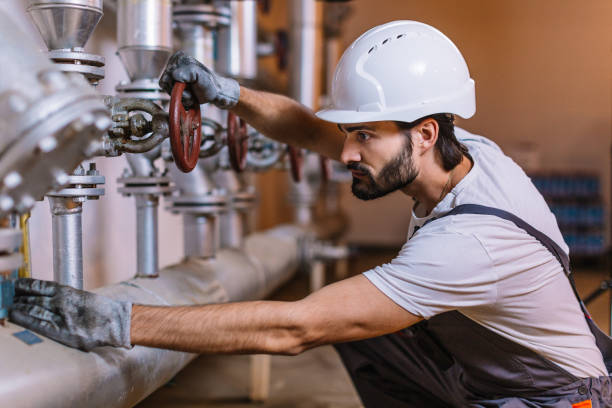
In the oil and gas industry, precision, reliability, and durability are crucial. Every component in the system must perform flawlessly under high pressure, extreme temperatures, and challenging operational conditions. Among these components, ball valves for oil and gas industry applications play a pivotal role. At Flowlink Valves & Controls, we specialise in providing high-quality valves designed to meet the demanding requirements of oilfield operations. In this article, we’ll explore how oil and gas valves manufacturers like Flowlink Valves & Controls engineer ball valves for optimal performance, examine their design features, and explain why they are essential for safe and efficient oil and gas operations.
Understanding Ball Valves in the Oil and Gas Industry
Ball valves are among the most widely used valves in the oil and gas sectors. Their design allows for quick, reliable shutoff, making them ideal for critical operations where safety and efficiency are paramount.
What Are Ball Valves?
A ball valve is a quarter-turn valve that uses a spherical disc to control the flow of liquids or gases. By rotating the ball 90 degrees, the valve either allows full flow or completely stops it. This simple mechanism provides several advantages:
- Rapid operation for emergency shutoff
- Minimal leakage when closed
- Long service life with low maintenance
Ball valves are available in different types, including trunnion-mounted ball valves and floating ball valves, each suited to specific pressure and operational requirements.
Applications in the Oil and Gas Sector
Ball valves are essential at various stages of oil and gas operations:
- Upstream: Used in exploration, drilling, and production facilities to control crude oil and natural gas flow. These valves must withstand high-pressure conditions, abrasive fluids, and extreme temperatures.
- Midstream: Critical in pipelines and transportation systems, ensuring pressure control, safety, and uninterrupted flow. Back pressure valves for oil and gas applications are often used to maintain steady pressure levels.
- Downstream: Used in refineries and processing plants for chemical handling and fluid control. These valves handle high temperatures and corrosive materials, ensuring the safe operation of complex refining processes.
Due to their versatility, valves for oil and gas industry applications must meet strict standards for durability, pressure tolerance, and chemical resistance. Operators rely on manufacturers that can deliver precision-engineered solutions tailored to each stage of the oil and gas value chain.
Key Design Features of Flowlink Valves & Controls Ball Valves
At Flowlink Valves & Controls, our valves are engineered to perform reliably in high-pressure oilfield environments. Understanding these design features helps explain why they are the preferred choice for many operators.
Trunnion-Mounted vs Floating Ball Valves
Choosing the right type of ball valve depends on the application, pressure, and operational needs. Here’s a comparison:
Feature | Trunnion-Mounted Ball Valve | Floating Ball Valve |
Support | Ball supported by trunnions (top and bottom) | Ball supported by valve seats only |
Pressure Handling | Suitable for high-pressure applications | Suitable for moderate-pressure applications |
Torque Requirement | Lower torque for operation | Higher torque required |
Maintenance | Easier to maintain in large systems | Moderate maintenance required |
Trunnion-mounted valves are ideal for pipelines with very high pressures, while floating ball valves are preferred for standard applications with moderate flow rates. Operators often select based on pipeline diameter, system pressure, and the specific type of fluid being handled.
Advanced Valve Sealing
Effective sealing is critical in oil and gas operations to prevent leaks and maintain system safety. Flowlink Valves & Controls’ ball valves for oil and gas industry use a combination of sealing technologies:
- Soft seats: Provide tight sealing and minimise leakage. Soft seats are commonly used in low- to medium-pressure applications where precise shutoff is required.
- Metal-to-metal seals: Offer durability in extreme temperatures and high-pressure conditions, making them suitable for upstream oilfield operations.
- Back-up seals: Maintain performance in high-pressure operations and ensure reliability over long service periods. These are particularly valuable in offshore and subsea installations where maintenance opportunities are limited.
Material Selection for Durability
Materials must withstand corrosive fluids, abrasive media, and high temperatures. Flowlink Valves & Controls’ valves are crafted from:
- Stainless steel for chemical resistance
- Alloy steels for high-pressure pipelines
- Special coatings for enhanced longevity and protection against erosion
The careful selection of materials ensures that Flowlink Valves & Controls valves meet international safety and durability standards, making them a preferred choice among oil & gas valve manufacturers worldwide.
Performance and Reliability in Oilfield Operations
Performance is a critical factor in the oil and gas industry. A poorly performing valve can cause downtime, reduce productivity, and even pose safety risks.
Pressure Control Capabilities
Maintaining precise pressure control is essential in pipelines and process systems. Back pressure valves for oil and gas applications help maintain system stability by preventing surges, pressure spikes, and unplanned downtime. For example, in midstream pipelines, even minor pressure fluctuations can compromise flow efficiency and increase the risk of pipeline fatigue.
Durability in Harsh Environments
Flowlink Valves & Controls valves are designed to withstand:
- Abrasive fluids and gases that can erode conventional valve components
- Extreme temperatures ranging from sub-zero conditions in Arctic pipelines to temperatures exceeding 200°C in refinery processes
- High-cycle operations for frequent start-stop sequences, ensuring long-term reliability
These features reduce maintenance needs, extend operational life, and enhance process safety, which is why they are preferred by engineers and plant operators across the oil and gas sector.
Safety and Compliance
All Flowlink Valves & Controls valves comply with stringent safety and industry standards. They are tested for:
- High-pressure tolerance
- Leak-tight sealing under demanding conditions
- Operational reliability across varied fluid types
Compliance with safety standards ensures operators can rely on these valves in sensitive oil and gas operations, reducing the risk of environmental hazards and operational downtime.
Choosing the Right Ball Valve for Your Operation
Selecting the correct valve is essential for system efficiency, safety, and longevity.
Key Considerations
When selecting a ball valve, consider:
- Pressure rating: Match the valve to pipeline and process pressures.
- Temperature tolerance: Ensure materials can handle operational extremes.
- Valve type: Choose between floating or trunnion-mounted based on pressure requirements.
- Maintenance and accessibility: Factor in ease of installation and servicing, especially in remote or offshore installations.
- Fluid type: Corrosive fluids or hydrocarbons require materials that resist erosion and chemical attack.
Expert Guidance from Flowlink Valves & Controls
Flowlink Valves & Controls provides tailored solutions for your operation. Our experts help identify the most suitable valves for oil and gas industry applications, ensuring compatibility, safety, and efficiency. For more details, explore our oil & gas valve solutions or contact our team directly.
Advantages of Flowlink Valves & Controls Ball Valves
Using Flowlink Valves & Controls’ ball valves for oil and gas industry comes with multiple benefits:
- Reliability: Engineered to withstand high-pressure and harsh environmental conditions, reducing the risk of operational failure.
- Efficiency: Quick operation reduces downtime and improves process control, particularly in emergency shutoff situations.
- Low Maintenance: Durable materials and advanced sealing reduce servicing needs and maintenance costs.
- Safety: Leak-tight designs minimise environmental and operational risks.
- Versatility: Suitable for upstream, midstream, and downstream applications, making them a practical choice across the industry.
These advantages make Flowlink Valves & Controls one of the leading oil and gas valves manufacturers for clients seeking high-performance, reliable solutions.
Conclusion
Ball valves are indispensable in the oil and gas sector, providing critical control, safety, and efficiency across operations. At Flowlink Valves & Controls, our ball valves for oil and gas industry applications are engineered to withstand extreme pressure, high temperatures, and abrasive fluids. Whether you require trunnion-mounted ball valves or floating ball valves, our solutions provide reliable sealing, pressure control, and long-term durability. Choosing the right valve can significantly improve operational efficiency, reduce maintenance, and ensure safety. For detailed guidance and expert support, explore our oil & gas valve solutions or get in touch with our team today.
For expert advice, technical support, or to discuss your valve requirements, please contact us and our team will assist you with tailored solutions for your operations.
FAQs
Ball valves control flow in pipelines and processing systems, providing tight shutoff and reliable operation.
Trunnion-mounted valves are supported at both ends of the ball for high-pressure applications, while floating ball valves rely on seats for support and are used for moderate pressures.
They maintain consistent pressure, prevent surges, and protect pipeline integrity, reducing operational risks.
Stainless steel and alloy steels are commonly used for corrosion resistance, high-temperature tolerance, and durability.
Consider system pressure, temperature, type of fluid, valve type, and maintenance accessibility. Flowlink Valves & Controls experts can guide your selection for optimal performance.