
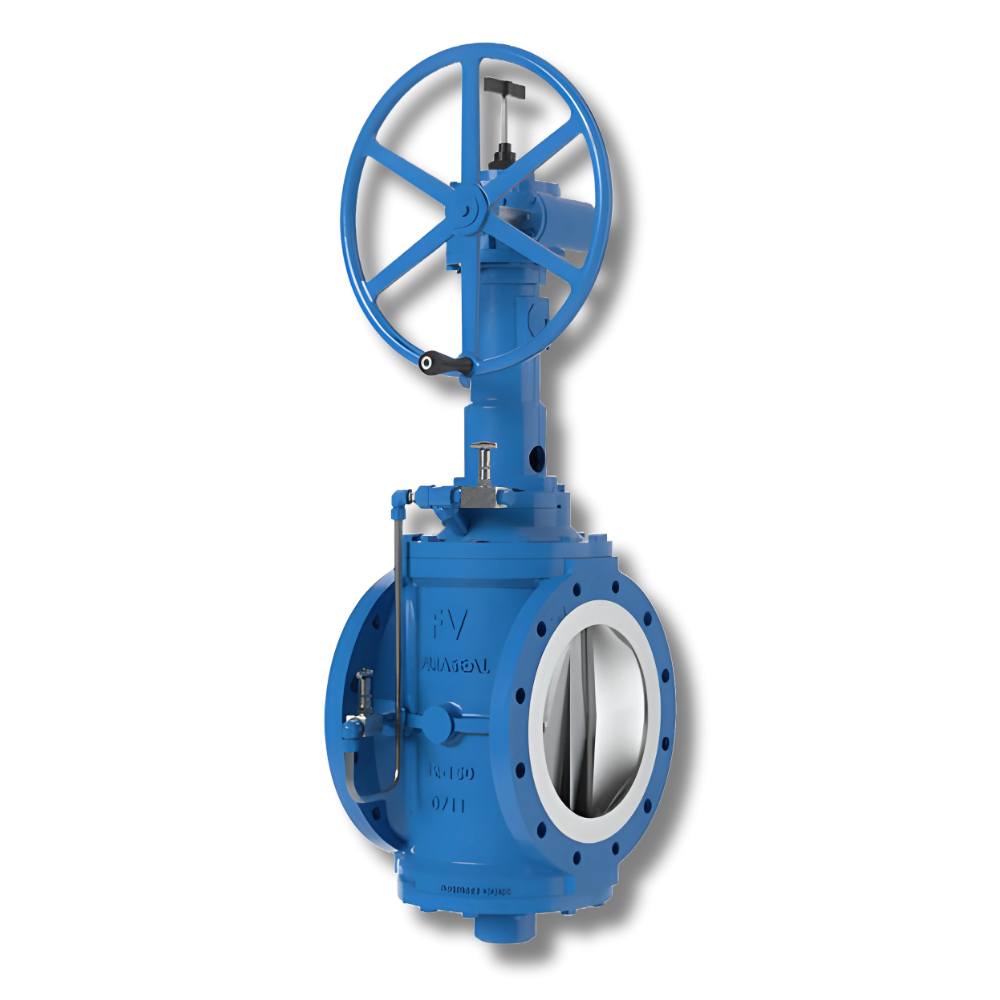
Back pressure valve oil and gas applications play a critical role in maintaining controlled pressure levels across complex pipeline and processing systems. In environments where fluids and gases move through interconnected equipment under varying operating conditions, pressure stability is essential for safety, efficiency, and system longevity. Engineers, safety officers, and system designers rely on precisely engineered back pressure valves and safety valves to ensure controlled flow, predictable performance, and protection of downstream components.
Within oil and gas facilities pressure fluctuations can originate from changes in flow demand equipment cycling temperature variation or operational sequencing. Without effective pressure regulation these fluctuations may compromise system integrity and process control. Back pressure valves function as a primary pressure regulating element designed to maintain a predetermined upstream pressure regardless of downstream variations.
Understanding the Engineering Principles of Back Pressure Valves
Back pressure valves are designed to regulate upstream pressure by restricting flow when pressure exceeds a set value. Unlike simple check valves which permit flow in only one direction back pressure valves actively modulate flow based on pressure conditions. Their operation relies on calibrated spring mechanisms pilot control systems or diaphragm based designs that respond directly to pressure changes.
When upstream pressure rises above the valve set point the internal mechanism adjusts to create resistance. This resistance stabilizes pressure and ensures consistent flow conditions. Once pressure returns to acceptable levels the valve opens accordingly allowing normal system operation. This self regulating behavior makes back pressure valves indispensable in oil and gas systems where pressure balance is essential.
Engineering design considerations include response sensitivity material compatibility and sealing performance. Valves must withstand corrosive fluids high temperatures and continuous duty cycles. Precision in design ensures accurate pressure regulation without excessive wear or instability.
Role of Back Pressure Valves in Oil and Gas Safety Mechanisms
Safety mechanisms within oil and gas infrastructure depend heavily on controlled pressure management. Excessive pressure can lead to equipment damage, seal failure, or unsafe operating conditions. Flowlink back pressure valves provide a passive yet reliable safeguard by preventing pressure escalation before it reaches critical levels.
In upstream operations these valves protect separators and pumps by maintaining steady inlet conditions. In midstream transport systems they ensure pipeline stability and reduce stress on joints and fittings. Downstream processing facilities benefit from consistent pressure that supports accurate flow measurement and process efficiency.
Unlike emergency relief devices that activate only during abnormal events back pressure valves operate continuously as part of normal system control. This proactive approach enhances overall safety by reducing reliance on reactive safety responses.
Integration with Check Valves and Flow Control Valves
Back pressure valves often function alongside check valves and flow control valves within integrated systems. Each component serves a distinct yet complementary role. Check valves prevent reverse flow protecting pumps and compressors from backflow damage. Flow control valves regulate volumetric flow rates ensuring balanced distribution across the system.
Back pressure valves add a layer of pressure regulation that stabilizes upstream conditions. Together these components create a controlled environment where pressure flow direction and volume remain within engineered limits. Proper integration ensures smooth transitions during startup shutdown and load changes.
System designers must consider valve placement and interaction to avoid oscillation or unintended pressure buildup. Coordinated valve selection ensures optimal performance and long term reliability.
Pressure Regulation Across Complex Oil and Gas Networks
Pressure regulation is a continuous challenge in oil and gas operations due to long distances, multiple processing stages, and variable demand. Flowlink back pressure valves help maintain equilibrium across these networks by isolating pressure zones and preventing downstream disturbances from affecting upstream equipment.
In gas processing applications pressure stability supports accurate separation and conditioning processes. In liquid transport systems regulated pressure reduces cavitation risk and protects pumps. By maintaining consistent upstream pressure back pressure valves enhance predictability across the entire network.
This stability improves operational control and reduces the likelihood of maintenance related disruptions. Engineers value back pressure valves for their ability to maintain equilibrium without requiring constant manual intervention.
Performance Benefits of Back Pressure Valve Oil and Gas Applications
The performance benefits of back pressure valve oil and gas systems extend beyond basic pressure control. These valves contribute to improved equipment lifespan by minimizing pressure induced stress. Reduced pressure fluctuation leads to fewer seal failures and lower maintenance demands.
Operational efficiency also improves when pressure remains consistent. Flow measurements become more accurate and process control systems function more effectively. This consistency supports optimized production without compromising safety.
Another key benefit is system adaptability. Back pressure valves respond automatically to changing conditions allowing systems to handle variable flow scenarios without manual adjustment. This adaptability is especially valuable in remote or automated oil and gas installations.
Material and Design Considerations for Harsh Environments
Oil and gas systems operate in demanding environments where valves must endure corrosion erosion and temperature extremes. Back pressure valves are engineered using materials selected for compatibility with hydrocarbons gases and process chemicals.
Internal components require precision machining to maintain sealing integrity under pressure. Surface finishes and coatings enhance durability while reducing friction. These design elements ensure reliable performance over extended operational cycles.
System designers prioritize valves that combine robust construction with precise control characteristics. High quality engineering minimizes leakage risk and maintains consistent pressure regulation even under continuous operation.
Flowlink Innovations in Back Pressure Valve Technology
Flowlink has advanced back pressure valve oil and gas solutions through a focus on precision engineering reliability and system integration. Flowlink valves are designed to deliver consistent pressure regulation while adapting to complex operating conditions.
Innovations include refined internal geometries that improve response accuracy and reduce wear. Enhanced sealing technologies support long term pressure stability while minimizing maintenance requirements. Flowlink designs also emphasize ease of integration within existing systems allowing engineers to upgrade pressure control without extensive modifications.
By aligning valve performance with real world operational demands Flowlink supports safer and more efficient oil and gas infrastructure. Their engineering approach reflects a commitment to dependable pressure regulation and system protection.
Selecting the Right Back Pressure Valve for Your System
Choosing the appropriate back pressure valve requires an understanding of system requirements operating pressures and fluid characteristics. Engineers must evaluate response sensitivity control range and compatibility with existing safety mechanisms.
Consideration of how the valve interacts with check valves and flow control valves is essential. Proper selection ensures balanced performance without creating unintended restrictions or instability. Collaboration between system designers and valve specialists helps achieve optimal outcomes.
For tailored solutions and expert guidance engineers can explore the Contact us page to connect with Flowlink specialists who support system specific valve selection and integration.
Frequently Asked Questions
1. What is the primary function of a back pressure valve in oil and gas systems
A back pressure valve maintains a controlled upstream pressure by restricting flow when pressure exceeds a set level ensuring stable and safe system operation.
2. How does a back pressure valve differ from a check valve
A check valve prevents reverse flow while a back pressure valve actively regulates pressure by modulating flow based on upstream pressure conditions.
3. Where are back pressure valves typically installed
They are commonly installed upstream of critical equipment such as pumps separators and processing units to protect components from pressure fluctuations.
4. Can back pressure valves operate continuously
Yes they are designed for continuous operation as part of normal system control providing ongoing pressure regulation rather than emergency response.
5. Why are Flowlink back pressure valves suitable for oil and gas applications
Flowlink valves combine precision engineering durable materials and reliable pressure regulation tailored for demanding oil and gas environments.