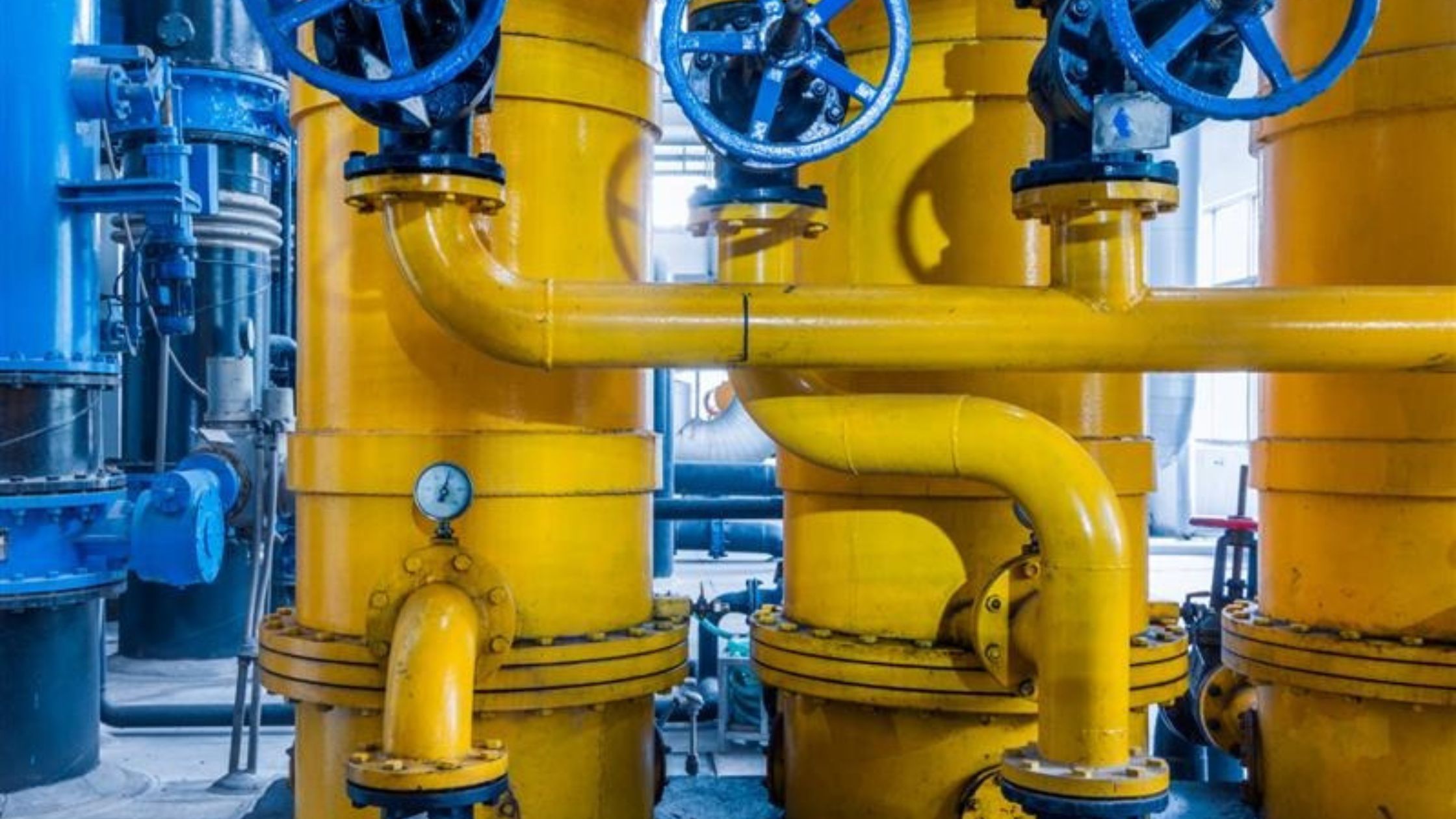
The oil and gas industry is experiencing a transformative period, driven by rising operational demands, technological advancements, and the global emphasis on environmental sustainability. Valves play a critical role in this sector, controlling fluid flow, regulating pressure, and ensuring the safety and efficiency of pipelines, refineries, and processing plants.
As companies face pressure to optimize operations, reduce emissions, and adopt digital technologies, oil and gas valves manufacturers are stepping up to design solutions that meet these challenges. Innovations such as smart valves, automation integration, and eco-friendly designs are setting a new standard in the industry. Companies like Flowlink are at the forefront of this transformation, providing advanced valve solutions that combine operational excellence with sustainable practices.
Smart Valves: Revolutionizing Oil and Gas Operations
Smart valves are redefining the way the oil and gas industry operates. Unlike traditional valves that rely on manual adjustments or basic automation, smart valves are embedded with sensors, microprocessors, and communication systems that allow for real-time monitoring and control.
These valves can detect changes in flow, temperature, and pressure, automatically adjusting to maintain optimal operation. For engineers and decision-makers, this capability is invaluable, offering data-driven insights that improve operational efficiency and reduce risks.
Smart valves also enable predictive maintenance, a significant advantage in preventing unplanned downtime. By continuously monitoring performance and identifying potential issues before they escalate, operators can schedule maintenance proactively rather than reactively. This not only reduces operational costs but also enhances safety by minimizing the risk of catastrophic failures.
Flowlink has been a pioneer in developing smart valves tailored for complex oil and gas applications. Their designs focus on durability, precision, and seamless integration with automated systems, ensuring that operators gain maximum efficiency without compromising reliability.
Automation in Oil and Gas: Optimizing Performance
Automation is one of the most transformative forces in modern oil and gas operations. Automated systems allow operators to manage complex processes with minimal human intervention, reducing operational errors and improving efficiency. Valves are central to this transformation, acting as critical control points in pipelines, processing units, and offshore platforms.
Automated valves, including control valves, allow for remote monitoring and control, enabling engineers to adjust flow rates, isolate sections of pipelines, and respond to emergencies from a central control room. This capability is particularly valuable in hazardous or inaccessible environments, where manual intervention could be risky or impractical.
In addition, automated valves enhance process consistency. In oil and gas operations, even minor fluctuations in flow or pressure can impact product quality and operational safety. By integrating valves with advanced control systems, companies can ensure precise regulation, maintain process stability, and optimize overall system performance.
Flowlink has invested heavily in automation-ready valve designs that seamlessly integrate with digital control systems. Their solutions support advanced operational workflows, enabling oil and gas companies to achieve higher efficiency, better safety compliance, and faster response times.
Eco-Friendly Valve Technology: Pioneering Sustainability
Environmental sustainability is no longer optional for the oil and gas industry. Regulatory requirements, societal expectations, and the industry’s own goals for reduced emissions and environmental stewardship are driving innovation in valve technology.
Eco-friendly valve technology focuses on minimizing energy consumption, reducing leakage, and utilizing sustainable materials. For example, low-leakage valve designs prevent unnecessary emissions of hydrocarbons, while materials engineered for durability reduce the need for frequent replacements, lowering environmental impact.
Flowlink has embraced sustainability as a core principle in valve design. Their eco-friendly valves combine advanced engineering with operational efficiency, ensuring that environmental considerations are met without compromising performance. These valves are designed to operate under extreme conditions, including high pressures, fluctuating temperatures, and corrosive fluids, while maintaining minimal energy consumption and maximum reliability.
Moreover, adopting sustainable valve technology allows companies to demonstrate corporate responsibility and align with global energy transition initiatives. By implementing eco-friendly valves, oil and gas operators can enhance efficiency, reduce operational costs, and contribute to long-term environmental protection.
Material Innovation in Valve Design
The choice of materials in valve manufacturing is crucial for operational performance and durability. Oil and gas valves often operate in extreme conditions, including high temperatures, high pressure, and exposure to corrosive chemicals. Using advanced materials such as corrosion-resistant alloys, high-strength polymers, and composite materials ensures long-lasting performance while reducing maintenance requirements.
Flowlink focuses on combining material innovation with intelligent design. Their valves incorporate advanced alloys resistant to corrosion, wear, and thermal stress. The use of durable materials extends valve life, minimizes downtime, and enhances operational reliability.
In addition, modern materials allow for lighter valve designs without compromising strength or performance. Lighter valves reduce the energy required for actuation, contributing to overall system efficiency. Material innovations also complement automation and smart valve technologies, ensuring that valves operate smoothly and reliably in integrated systems.
Digitalization and Data-Driven Valve Management
Digitalization is reshaping how oil and gas valves are monitored and maintained. Through digital monitoring systems, engineers can track valve performance in real-time, gain insights into operational trends, and detect potential issues before they cause disruptions.
One significant development is the use of digital twin technology, where a virtual replica of a valve system allows for simulation, testing, and optimization without interfering with live operations. Digital twins enable engineers to model various scenarios, predict system behavior, and implement improvements with precision.
Flowlink integrates digital capabilities into its valve solutions, providing operators with tools to optimize flow control, enhance predictive maintenance, and streamline asset management. Digitalization ensures that valves not only function efficiently but also contribute to data-driven decision-making across the entire operation.
Enhancing Safety and Regulatory Compliance
Safety is paramount in the oil and gas industry. Valves play a critical role in maintaining operational safety, preventing leaks, controlling pressure, and mitigating risks associated with complex fluid handling processes.
New valve designs incorporate automated safety features, such as emergency shutdown systems, pressure relief mechanisms, and real-time monitoring alerts. These features ensure that operators can respond quickly to potential hazards, minimizing the risk of accidents.
Flowlink emphasizes safety and compliance in all valve designs. By adhering to rigorous industry standards and integrating advanced safety features, Flowlink ensures that its valves meet regulatory requirements while enhancing operational confidence.
Flowlink’s Role in Shaping the Future
As the oil and gas industry embraces innovation, Flowlink valve design stands out among oil and gas valves manufacturers by combining expertise in smart technology, automation, and sustainability. Their valves are designed to meet the demands of modern operations, including real-time monitoring, remote operation, and minimal environmental impact.
Flowlink’s commitment to research and development ensures that clients have access to cutting-edge solutions that improve efficiency, reduce maintenance costs, and support sustainability goals. By focusing on innovation and reliability, Flowlink helps operators navigate the challenges of the evolving energy landscape.
The company’s emphasis on integrating smart valves, automation, and eco-friendly materials positions Flowlink as a trusted partner for industry professionals seeking efficient and sustainable valve solutions.
For more information on Flowlink’s innovative valve solutions, visit our contact us page and connect with our team.
FAQs
1. What are smart valves in the oil and gas industry?
Smart valves are digitally-enabled valves with sensors and control systems that monitor and adjust flow in real-time, improving efficiency and predictive maintenance.
2. How does automation impact oil and gas valve operations?
Automation allows valves to be controlled remotely, reducing the need for on-site intervention, improving safety, and ensuring precise flow management.
3. What makes a valve eco-friendly?
Eco-friendly valves minimize energy use, reduce emissions, and use sustainable materials without compromising operational performance.
4. Why is Flowlink a leader among oil and gas valves manufacturers?
Flowlink combines advanced material engineering, automation compatibility, and eco-friendly designs, delivering high-performance valves tailored to modern industry needs.
5. Can digitalization improve valve maintenance?
Yes, digitalization enables real-time monitoring, predictive maintenance, and digital twin simulations, reducing downtime and optimizing valve performance.