
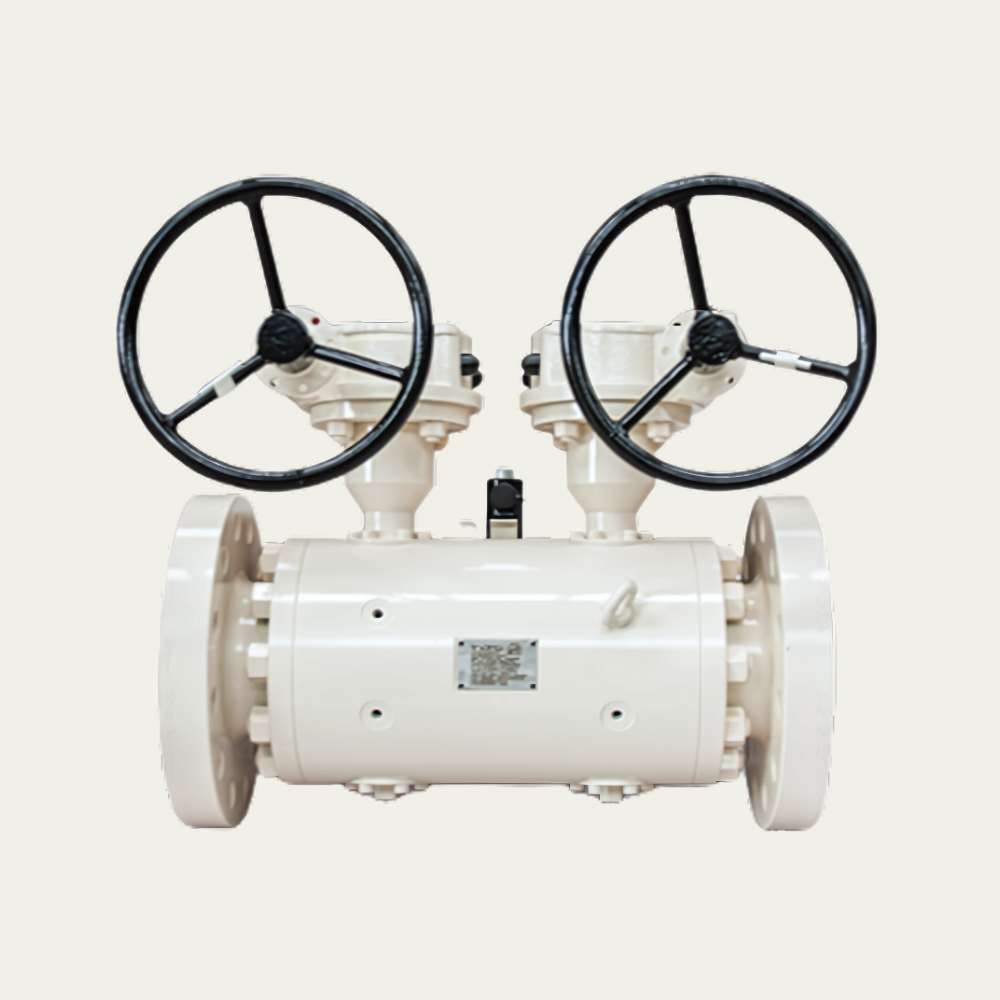
Choosing between a ball valve vs gate valve is one of the most important decisions when designing or upgrading an industrial piping system. While both valve types are widely used for isolation, they differ significantly in design, operation, performance, and suitability for various applications. Selecting the wrong valve can lead to reduced efficiency, higher maintenance costs, and unnecessary downtime.
At Flowlink Valves & Controls, we supply high-quality industrial valves that are engineered to meet the demands of Australia’s mining, water treatment, oil and gas, manufacturing, chemical processing, and energy sectors. Our experienced team works closely with customers to recommend the right valve solution based on operating conditions, performance expectations, and industry standards.
This guide explains the key differences between ball valves and gate valves, compares their strengths, and helps you determine which option best supports your process requirements.
Understanding the Purpose of Industrial Isolation Valves
Both ball valves and gate valves are classified as isolation valves, meaning their primary role is to completely stop or allow the flow of liquids or gases. Although they serve a similar purpose, they achieve it using very different mechanisms.
An effective isolation valve should provide:
- Reliable shut-off performance
- Long service life
- Minimal leakage
- Easy operation
- Compatibility with the process media
- Low maintenance requirements
The best choice depends on how your system operates rather than simply selecting the most common valve type.
What Is a Ball Valve?
A ball valve uses a precision-machined spherical ball with a bore through its centre. Turning the handle or actuator by 90 degrees aligns or blocks the flow path.
This quarter-turn design makes ball valves one of the fastest and most reliable options for industrial isolation.
Ball valves are commonly used in:
- Water treatment plants
- Chemical processing
- Manufacturing facilities
- Food and beverage production
- Oil and gas operations
- Mining infrastructure
Because the sealing surfaces remain protected during operation, ball valves provide excellent shut-off capability with minimal wear.
What Is a Gate Valve?
A gate valve controls flow by raising or lowering a flat or wedge-shaped gate inside the valve body.
Unlike ball valves, gate valves require multiple turns of the handwheel to fully open or close. When fully open, the gate moves completely out of the flow path, allowing fluid to pass with minimal obstruction.
Gate valves are traditionally installed in applications where valves remain either fully open or fully closed for long periods.
Typical industries include:
- Water distribution
- Wastewater systems
- Fire protection networks
- Large pipeline infrastructure
- Utility services
Their simple design makes them suitable for certain applications, although operating speed is considerably slower than a ball valve.
Ball Valve vs Gate Valve: How They Differ
Understanding the mechanical differences helps determine which valve is best suited for your process.
Operating Mechanism
The biggest difference between the two valve types is how they operate.
A ball valve uses a quarter-turn rotation to open or close almost instantly.
A gate valve relies on a threaded stem that gradually lifts or lowers the gate. Opening or closing the valve requires several complete turns.
Where rapid isolation is important, ball valves offer a significant operational advantage.
Shut-Off Performance
Ball valves are widely recognised for providing bubble-tight sealing. Their precision-machined seats create a secure seal even after thousands of operating cycles.
Gate valves also provide effective shut-off when fully closed, but sealing performance may gradually decline if debris accumulates around the gate or if wear develops over time.
For applications requiring dependable leak prevention, ball valves are often the preferred solution.
Operating Speed
In many industrial facilities, fast isolation improves safety and reduces operational delays.
A ball valve can usually be fully opened or closed with a simple 90-degree turn.
A gate valve requires multiple rotations before reaching the fully open or closed position.
Where emergency shutdown capability is important, faster operation provides a clear advantage.
Flow Characteristics
One reason many engineers choose ball valves is their excellent flow performance.
When fully open, particularly in full-port designs, ball valves create very little pressure loss because the bore closely matches the pipeline diameter.
Gate valves also allow relatively unrestricted flow when completely open, as the gate moves entirely out of the flow path.
Both valve types perform well in isolation applications, although ball valves generally offer better sealing efficiency and more consistent performance during repeated operation.
Durability in Demanding Environments
Industrial processes often involve challenging operating conditions including high pressure, elevated temperatures, corrosive chemicals, and abrasive media.
Ball valves are manufactured using robust materials that provide excellent resistance to wear while maintaining reliable sealing performance.
Gate valves also perform well in many industrial environments, but their moving gate mechanism may be more susceptible to wear if exposed to contaminated or abrasive media over extended periods.
Selecting the correct valve material remains essential regardless of valve design.
Maintenance Requirements
Maintenance plays a major role in the total cost of ownership.
Ball valves typically require less maintenance because of their compact design and fewer moving components.
Benefits include:
- Lower maintenance frequency
- Longer sealing performance
- Simple operation
- Reduced downtime
- Longer service intervals
Gate valves contain additional internal components including stems, threads, and gates that may require periodic inspection and servicing depending on operating conditions.
For facilities focused on reducing maintenance costs, ball valves often provide long-term operational advantages.
Automation Compatibility
Modern industrial plants increasingly rely on automated systems for improved efficiency and process control.
Ball valves are particularly well suited for automation because their quarter-turn operation allows easy integration with pneumatic or electric actuators.
Automated ball valves help improve:
- Remote operation
- Process efficiency
- Operator safety
- Production consistency
- Control system integration
Although gate valves can also be automated, their multi-turn operation generally requires larger and more complex actuator systems.
Pressure and Temperature Performance
Every industrial application operates within specific pressure and temperature limits, making these factors essential when comparing ball valve vs gate valve options.
Ball valves are designed to provide dependable sealing under a wide range of operating pressures. Their resilient seat design and precision-machined components help maintain tight shut-off even during frequent operation. This makes them an excellent choice for demanding industrial systems where reliability is critical.
Gate valves also perform well under high-pressure conditions, particularly in applications where the valve remains fully open or fully closed for extended periods. However, repeated operation under challenging conditions may increase wear on the gate and stem assembly over time.
When selecting a valve, always consider both the normal operating conditions and any pressure or temperature fluctuations that may occur during the process.
Which Valve Offers Better Flow Performance?
One of the most common questions during a gate valve comparison is how each valve affects flow.
A full-port ball valve provides an unrestricted flow path that closely matches the internal diameter of the pipeline. This minimises pressure drop and supports efficient fluid movement throughout the system.
Gate valves also provide minimal restriction when fully open because the gate is lifted completely out of the flow path. However, they are not intended to regulate flow. Operating a gate valve in a partially open position can cause vibration, seat damage, and premature wear.
For applications requiring reliable isolation with minimal pressure loss, both valve types can perform well when correctly specified. The choice depends on how frequently the valve operates and the overall process requirements.
Operation Frequency Matters
The number of times a valve is opened and closed each day has a significant impact on valve selection.
Ball valves are well suited for systems that require frequent operation. Their quarter-turn design allows operators to isolate equipment quickly with minimal effort while maintaining consistent sealing performance over many operating cycles.
Gate valves are generally better suited to applications where the valve remains in one position for long periods and is only operated occasionally during maintenance or system shutdowns.
Matching the valve design to the operating frequency helps maximise reliability and reduce maintenance requirements.
Comparing Service Life
Both valve types are capable of delivering long service lives when properly selected and maintained.
Ball valves are valued for their durable sealing systems, corrosion-resistant materials, and simple operating mechanism. Their compact design reduces the number of components subject to wear, contributing to dependable long-term performance.
Gate valves can also provide many years of service, particularly in clean media applications where operating conditions remain stable. Routine inspection and maintenance are important to ensure continued performance, especially in larger systems.
Selecting quality products from a trusted supplier helps maximise the service life of any valve.
Selecting the Right Valve for Different Industries
Different industries have unique operational requirements, and there is no single valve that suits every application.
Mining
Mining operations often involve abrasive materials, high operating pressures, and demanding environmental conditions. Ball valves are commonly selected for their durability, dependable sealing, and ease of operation.
Water and Wastewater
Both valve types are widely used in water infrastructure. Ball valves are preferred where quick isolation is required, while gate valves are often installed in large distribution networks where valves remain open for long periods.
Oil and Gas
Oil and gas facilities require valves that provide reliable isolation, excellent sealing performance, and compatibility with automated control systems. Ball valves are frequently chosen because of their fast operation and dependable shut-off capabilities.
Chemical Processing
Chemical plants demand valves that can safely handle corrosive fluids and aggressive process media. Material compatibility is critical, and ball valves are commonly specified due to their excellent sealing performance and resistance to leakage.
Manufacturing
Production facilities rely on efficient equipment operation to maintain productivity. Ball valves support fast maintenance procedures by allowing equipment to be isolated quickly without interrupting the overall process.
Understanding Valve Types Before Making a Decision
Industrial facilities use a variety of valve types, each designed for a specific purpose.
Ball valves and gate valves are primarily used for isolation, but other valve designs may be more suitable where throttling or flow regulation is required.
Choosing the correct valve begins with understanding the function it will perform within the process rather than selecting based on familiarity or purchase price.
A thorough evaluation of operating conditions helps ensure the selected valve supports long-term system performance.
Is a Ball Valve a Good Flow Control Valve?
Although some operators partially open ball valves to adjust flow, they are primarily designed as an isolation valve rather than a flow control valve.
For applications requiring continuous flow regulation, specialised control valves or globe valves generally provide more accurate performance.
Ball valves deliver the greatest value when they are used for reliable on-off isolation, where their tight sealing and quick operation offer significant operational advantages.
Selecting the correct valve for its intended purpose helps improve efficiency while extending equipment life.
Cost Versus Long-Term Value
Purchase price is only one factor when comparing industrial valves.
The total cost of ownership includes:
- Installation costs
- Maintenance requirements
- Downtime
- Replacement frequency
- Energy efficiency
- Spare parts availability
Ball valves often have a slightly higher initial cost than some gate valves, but their lower maintenance requirements and longer sealing performance frequently result in reduced lifecycle costs.
Investing in a high-quality valve helps minimise unexpected failures and supports reliable plant operation over many years.
Common Mistakes When Choosing Between Ball Valves and Gate Valves
Selecting the wrong valve can affect productivity, safety, and maintenance costs.
Common mistakes include:
- Choosing a valve based only on price.
- Ignoring operating pressure and temperature.
- Using a gate valve for frequent operation.
- Using a ball valve for continuous flow regulation.
- Overlooking material compatibility.
- Failing to consider future automation requirements.
- Selecting valves that do not meet applicable industry standards.
Avoiding these issues helps ensure reliable performance throughout the life of the system.
Engineering Support Simplifies Valve Selection
Every industrial application is unique, which is why expert technical guidance is valuable during the selection process.
At Flowlink Valves & Controls, we work closely with customers to understand their operating conditions, performance requirements, and project specifications. This allows us to recommend valve solutions that improve efficiency, support reliable operation, and reduce long-term maintenance costs.
Our experience across multiple industries enables us to provide practical recommendations that align with Australian industrial requirements.
Why Choose Flowlink Valves & Controls?
Choosing between a ball valve and a gate valve is easier when you have access to experienced technical guidance. At Flowlink Valves & Controls, we understand that every industrial system has unique operating conditions, compliance requirements, and performance expectations. That is why we focus on supplying valve solutions that are matched to the specific needs of each project rather than offering a one-size-fits-all recommendation.
Our product range includes high-quality industrial valves designed for industries such as mining, oil and gas, water and wastewater, chemical processing, manufacturing, and power generation. Every solution is selected with reliability, safety, and long-term performance in mind.
When you work with our team, you benefit from:
- Technical product selection assistance
- High-quality valve solutions for industrial applications
- Products designed to meet recognised industry standards
- Support for both manual and automated valve systems
- Reliable customer service from enquiry through project completion
Whether you need a dependable isolation valve for routine operations or a specialised solution for critical process applications, our team is committed to helping you make the right choice.
Final Thoughts
The comparison of ball valve vs gate valve is not about determining which valve is universally better. It is about selecting the valve that best suits your application.
Ball valves offer fast operation, excellent sealing performance, low maintenance, and easy automation, making them ideal for processes that require reliable and frequent isolation. Gate valves remain an excellent choice for applications where the valve is typically left fully open or fully closed for extended periods and unrestricted flow is required.
By evaluating factors such as operating pressure, media type, temperature, maintenance requirements, and system design, you can confidently choose the valve that supports efficient and reliable operation.
At Flowlink Valves & Controls, we combine quality products with technical expertise to help businesses across Australia select the right process valves for every application. Our goal is to deliver solutions that improve performance, reduce downtime, and provide long-term value.
If you are planning a new installation or upgrading an existing system, our experienced team is ready to help you find the most suitable valve solution.
Frequently Asked Questions
1. Which is better, a ball valve or a gate valve?
The best option depends on your application. Ball valves are ideal for quick shut-off, frequent operation, and dependable sealing, while gate valves are better suited to systems where the valve remains fully open or fully closed for long periods.
2. Can a ball valve be used for flow control?
Ball valves are primarily designed as isolation valves. Although they can be partially opened, continuous flow regulation is better achieved with dedicated control valves to prevent unnecessary wear.
3. Why are ball valves commonly used in industrial applications?
Ball valves provide fast quarter-turn operation, excellent leak-tight sealing, long service life, and compatibility with automated systems. These features make them a reliable choice across many industrial sectors.
4. When should I choose a gate valve?
Gate valves are a good choice for applications that require unrestricted flow and infrequent operation, such as water distribution networks, utility pipelines, and infrastructure systems.
5. How can Flowlink Valves & Controls help with valve selection?
Our team evaluates your operating conditions, pressure ratings, media compatibility, and application requirements to recommend the most suitable valve solution. We help customers select reliable products that support long-term performance and operational efficiency.