Flowlink Valves & Controls

Uncategorized

Electric vs Pneumatic Actuators: Which One Fits Your Control Valve?

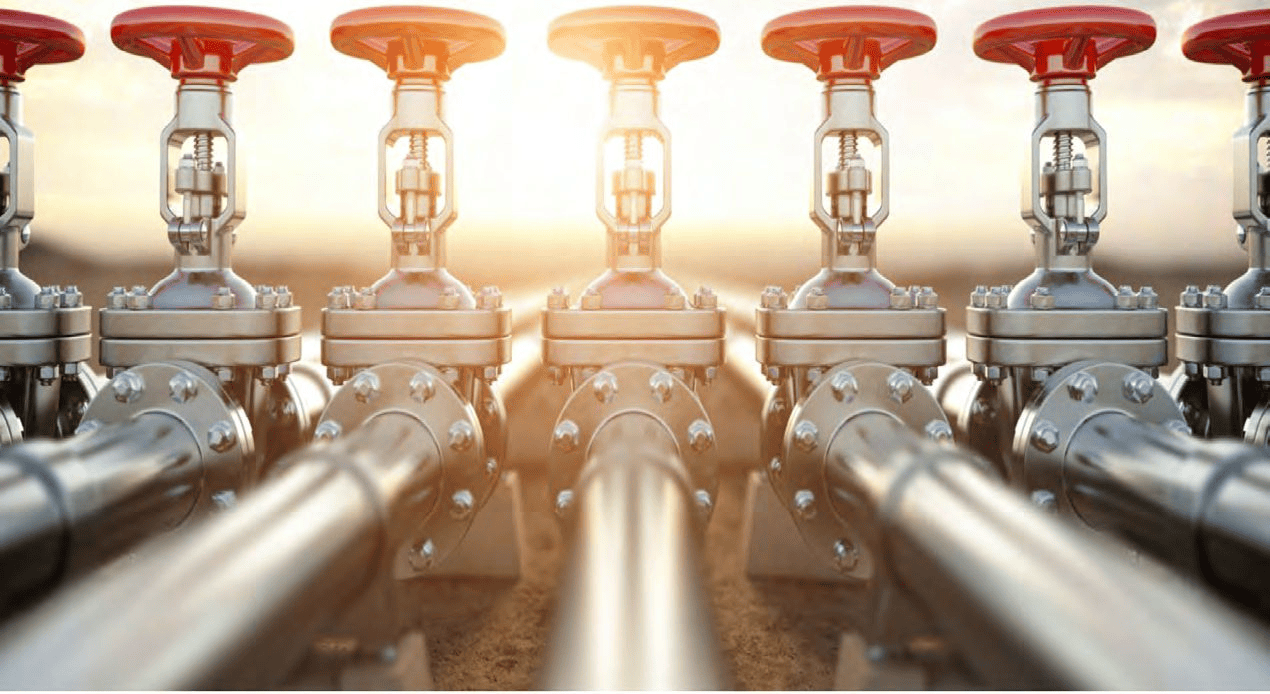
Control valves are essential components in industrial automation systems, helping regulate flow, pressure, temperature, and fluid movement across various processes. However, the performance of a control valve depends heavily on the actuator used to operate it. Choosing between electric and pneumatic actuators is a common challenge for control system designers and engineers seeking the best balance of efficiency, reliability, safety, and long-term operating costs. The comparison of electric actuator vs pneumatic actuator solutions involves several important considerations, including response time, power source, maintenance, environmental suitability, safety, and overall reliability. Each actuator type offers distinct advantages depending on the application and operating conditions. At Flowlink EPL, industrial operators can access advanced valve automation and control solutions tailored to demanding industries such as mining, process manufacturing, and industrial automation. Understanding the strengths and limitations of both actuator technologies is critical for selecting the most effective control valve system. Understanding Electric and Pneumatic Actuators An electric actuator uses electrical energy to generate mechanical movement. These actuators typically rely on motors, gears, and electronic control systems to open, close, or modulate valves with high precision. Electric actuators are commonly integrated into automated systems that require accurate valve positioning and remote monitoring capabilities. A pneumatic actuator operates using compressed air. Air pressure drives a piston or diaphragm that converts pneumatic energy into mechanical motion. Pneumatic actuators are widely used in industrial applications that demand fast operation, durability, and safe performance in hazardous environments. When evaluating electric actuator vs pneumatic actuator systems, engineers must consider operational priorities, environmental conditions, and plant infrastructure. Response Time and Speed of Operation Response time is one of the primary differences between electric and pneumatic actuators. Pneumatic actuators are generally faster because compressed air can move actuator components almost instantly. This rapid movement makes pneumatic systems ideal for emergency shutdown valves, high-cycle applications, and processes where immediate valve action is critical. Electric actuators usually operate at a slower speed due to motor acceleration and gear movement. However, they provide smoother motion and more precise control, which is valuable in modulating applications requiring accurate valve positioning. For industries such as mining and heavy industrial processing, where rapid valve operation is often essential for process safety and reliability, pneumatic actuators remain a preferred solution. Industrial operations in these sectors can explore automation solutions through Flowlink EPL Mining Industry Solutions. Power Source Considerations The availability of a suitable power source significantly affects actuator selection. Electric actuators require a stable electrical supply. They are particularly useful in facilities without compressed air systems because they eliminate the need for compressors, air piping, and pneumatic accessories. Installation can often be simpler in smaller plants or remote facilities where electrical infrastructure is already available. Pneumatic actuators rely on compressed air systems that include compressors, filters, regulators, and distribution piping. Although this infrastructure increases installation complexity, many industrial facilities already operate centralized compressed air systems, making pneumatic actuators cost-effective in established plants. In hazardous environments where electrical sparks could create ignition risks, pneumatic systems offer additional safety advantages. Cost Comparison Cost evaluation should go beyond the initial purchase price and include installation, operating expenses, and long-term maintenance costs. Electric actuators typically have higher upfront costs due to integrated motors, electronics, and advanced control systems. However, they may reduce infrastructure expenses in facilities without compressed air systems. Pneumatic actuators are often less expensive initially, especially for basic on/off valve operations. However, operating costs may increase over time because compressed air generation consumes significant energy. Air leaks within pneumatic systems can also contribute to higher operational expenses. When comparing electric actuator vs pneumatic actuator solutions, evaluating the total cost of ownership is essential for making an informed investment decision. Maintenance Requirements Maintenance plays a major role in overall system reliability and operational uptime. Electric actuators generally require less routine maintenance because they contain fewer components associated with fluid or air handling. Many modern electric actuators also include built-in diagnostics and monitoring capabilities that help identify potential issues before failures occur. However, if electrical components fail, repairs may require specialized technical expertise. Pneumatic actuators are mechanically simple and highly durable. Their reliability depends heavily on clean, dry, and stable compressed air. Moisture, dirt, or pressure fluctuations can reduce efficiency and increase wear on internal components. Routine maintenance for pneumatic systems includes inspecting seals, air lines, regulators, compressors, and filtration systems. Despite these requirements, pneumatic actuators are highly regarded for their durability in harsh industrial conditions. Precision and Control Accuracy Control accuracy is another important factor when selecting actuators for automated valve systems. Electric actuators are known for excellent positioning accuracy and repeatability. They can provide precise modulation, making them ideal for applications requiring detailed process control. Electric actuators also integrate easily with digital automation platforms and remote control systems. Pneumatic actuators can achieve reliable positioning when paired with valve positioners, but they may not offer the same level of precision as electric systems in highly sensitive applications. Industrial facilities seeking integrated valve automation and instrumentation solutions can benefit from the technologies available through Flowlink EPL Actuation & Instrumentation. Reliability in Industrial Environments Industrial operating conditions significantly influence actuator performance and lifespan. Pneumatic actuators are widely recognized for their reliability in harsh environments. They perform well under extreme temperatures, high vibration, dusty conditions, and corrosive industrial settings. Since they do not rely heavily on sensitive electronic components, pneumatic actuators are highly resilient in demanding applications. Electric actuators may require protective enclosures or specialized designs when used in challenging environments. Exposure to moisture, excessive heat, or vibration can affect electronic components if the actuator is not properly rated for the application. For outdoor installations or hazardous zones, selecting actuators with the correct environmental and safety certifications is essential. Safety Factors Safety remains a top priority in industrial automation and control valve operation. Pneumatic actuators are commonly used in hazardous environments because compressed air does not create ignition sources. Industries such as oil and gas, chemical processing, and mining frequently prefer pneumatic systems for this reason. Pneumatic actuators can also incorporate spring-return fail-safe mechanisms

valve

Preventing Downtime: Best Practices for Valve Maintenance in Industrial Plants

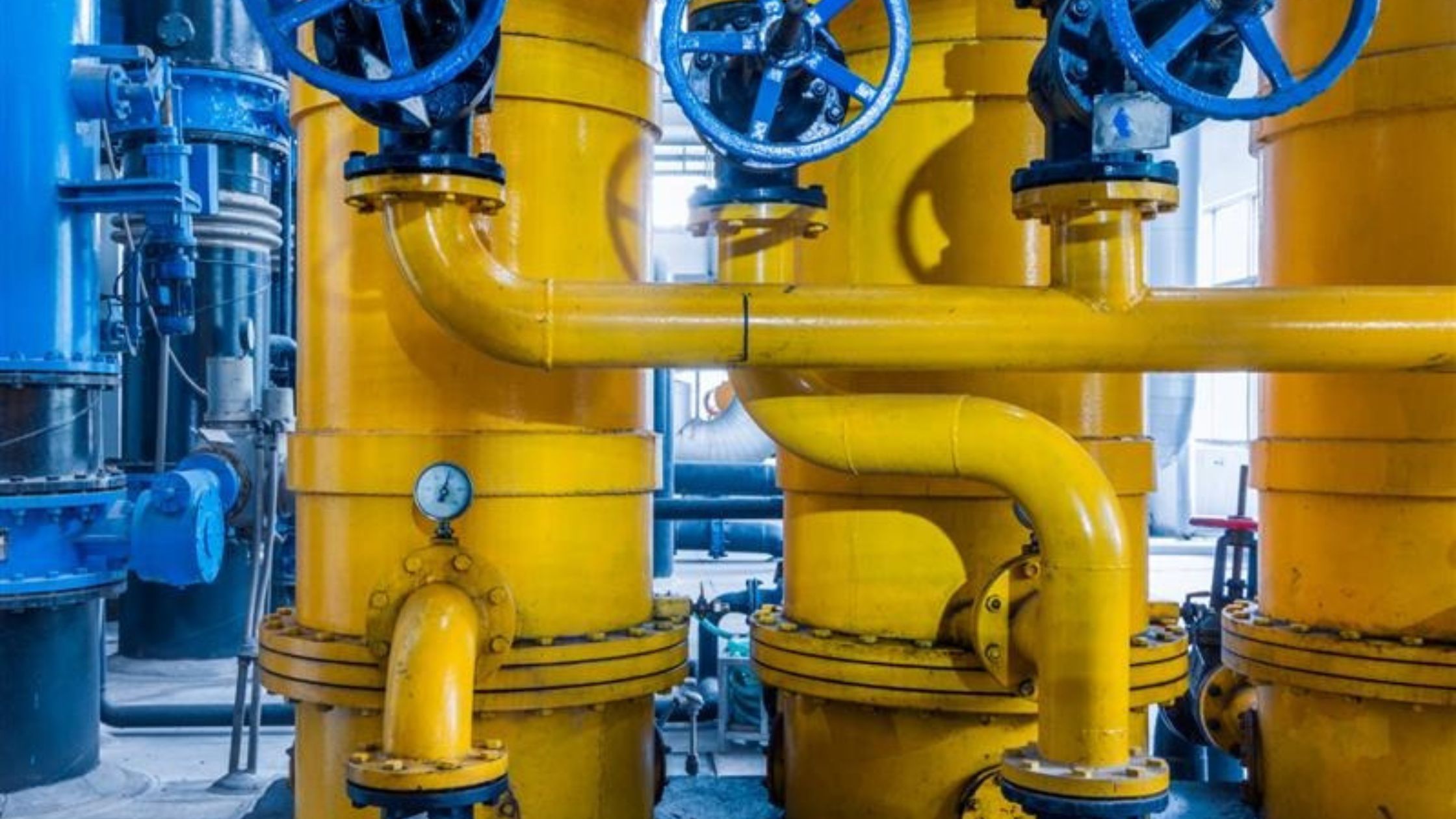
In industrial plants, unplanned downtime is more than an inconvenience—it is a direct hit to productivity, safety, compliance, and profitability. From processing facilities and power plants to water treatment systems and manufacturing lines, valves are critical components that regulate flow, pressure, and temperature across operations. When a valve fails, it can shut down an entire system. That’s why understanding and implementing valve maintenance best practices is essential for plant maintenance teams and operations management. This pillar guide provides a practical checklist, actionable tips, and a suggested maintenance schedule to help your team prevent failures, extend asset life, and maintain optimal system performance. We’ll also explore how lubrication, inspections, and structured documentation play a vital role in maintaining control valves, butterfly valves, and other critical assets. Why Valve Maintenance Is Critical to Preventing Downtime Valves operate in demanding environments—high pressure, corrosive fluids, temperature extremes, vibration, and constant cycling. Over time, wear and tear can cause: If left unchecked, these minor issues escalate into major breakdowns. For plant managers and maintenance teams, a proactive maintenance strategy ensures: A structured valve maintenance program shifts your team from reactive firefighting to predictive asset management. Common Causes of Valve Failure Before diving into the checklist, it’s important to understand what typically causes valve failures. 1. Inadequate Lubrication Improper or infrequent lubrication leads to excessive friction, stem wear, actuator strain, and eventual seizure. 2. Corrosion and Erosion Chemical exposure, abrasive media, and poor material compatibility degrade internal components. 3. Poor Installation Incorrect alignment, improper torque settings, or unsupported piping stress valves beyond design limits. 4. Lack of Regular Inspection Small leaks and minor wear often go unnoticed until they become system-wide problems. 5. Over-Cycling Frequent operation without adequate servicing reduces the lifespan of moving components. Understanding these causes allows maintenance teams to design preventive strategies that address issues before failure occurs. Valve Maintenance Best Practices: The Complete Checklist Below is a structured checklist tailored for plant maintenance teams. 1. Visual Inspection Routine Frequency: Weekly or Monthly (depending on criticality) Check for: Visual inspections are the first line of defense in valve maintenance best practices. They are simple, quick, and can prevent major failures. 2. Operational Testing Frequency: Monthly or Quarterly For control valves, verify signal calibration and stroke response accuracy. Any lag or overshoot may indicate actuator or positioner issues. 3. Lubrication Management Frequency: Based on manufacturer guidelines (typically 3–6 months) Lubrication is one of the most overlooked maintenance activities. Best practices include: For butterfly valves, ensure stem and gear operators are properly lubricated to prevent excessive torque requirements. A structured lubrication program reduces friction, prevents galling, and significantly extends valve lifespan. 4. Leak Testing and Seat Integrity Checks Frequency: Quarterly or Semi-Annually Internal leakage in control valves often results in energy loss and process instability. Early detection prevents performance degradation. 5. Actuator and Control System Maintenance Frequency: Quarterly Inspect: Improper actuator performance can mimic valve failure. Regular calibration ensures optimal performance. 6. Seal and Packing Replacement Frequency: Annually (or as needed) Packing wear is a common cause of fugitive emissions and leakage. Replace: Preventative replacement during planned shutdowns avoids emergency outages. 7. Documentation and Record Keeping A digital maintenance log should track: Trend analysis allows operations management to identify recurring issues and adjust maintenance frequency accordingly. Suggested Valve Maintenance Schedule Below is a general maintenance schedule that plant maintenance teams can adapt: Weekly Monthly Quarterly Semi-Annual Annual Critical valves in high-pressure or corrosive environments may require shorter intervals. Predictive Maintenance vs Preventive Maintenance Modern plants are shifting toward predictive maintenance strategies. Preventive Maintenance Scheduled servicing regardless of condition. Predictive Maintenance Uses condition monitoring tools like: By analyzing performance data, teams can service valves only when needed—reducing unnecessary labor while preventing failures. Integrating predictive technologies into valve maintenance best practices enhances reliability and cost efficiency. Tips to Extend Valve Life Beyond the checklist, here are practical tips: Proper Installation Ensure piping alignment and torque compliance during installation. Material Compatibility Match valve material to fluid characteristics. Avoid Over-Torquing Excessive force damages seats and stems. Train Maintenance Staff Skilled technicians identify early warning signs faster. Maintain Clean Media Filtration prevents debris from damaging seats and seals. Use Quality Components Inferior replacement parts reduce lifecycle performance. Partnering with experienced providers like Flowlink Valves & Controls ensures access to high-quality industrial valves and expert guidance for long-term reliability. Special Considerations for Control Valves Control valves require more attention due to their dynamic role in regulating process variables. Best practices include: Even minor deviations in control accuracy can impact product quality and energy efficiency. Special Considerations for Butterfly Valves Butterfly valves are widely used due to their compact design and cost-effectiveness. Maintenance priorities include: Because butterfly valves rely on tight sealing surfaces, regular inspection prevents leakage and torque escalation. Creating a Valve Maintenance Culture Technology alone does not prevent downtime—culture does. Plant operations management should: A strong maintenance culture transforms valves from weak points into reliability assets. When to Repair vs Replace Consider replacement when: Strategic replacement during planned shutdowns prevents unexpected failures. Partnering with Experts Industrial plants benefit from working with trusted valve specialists who understand application requirements and lifecycle management. Flowlink Valves & Controls supports plant maintenance teams with high-quality industrial solutions, technical expertise, and reliable service support for control valves, butterfly valves, and other essential systems. If your team is reviewing maintenance procedures or planning system upgrades, contact us to discuss tailored valve maintenance strategies that align with your operational goals. Frequently Asked Questions (FAQ) 1. How often should industrial valves be inspected? Critical valves should undergo weekly visual checks and quarterly functional testing. Less critical valves can follow monthly or semi-annual schedules. 2. Why is lubrication so important in valve maintenance? Proper lubrication reduces friction, prevents wear, protects against corrosion, and extends component life. Poor lubrication is one of the leading causes of premature valve failure. 3. What are early signs of valve failure? Common signs include leakage, vibration, abnormal noise, slow actuation, pressure fluctuation, and difficulty in operation. 4. Should all valves follow the same

oil and gas

The Future of Oil and Gas Valves: Innovations Driving Efficiency and Sustainability

The oil and gas industry is experiencing a transformative period, driven by rising operational demands, technological advancements, and the global emphasis on environmental sustainability. Valves play a critical role in this sector, controlling fluid flow, regulating pressure, and ensuring the safety and efficiency of pipelines, refineries, and processing plants. As companies face pressure to optimize operations, reduce emissions, and adopt digital technologies, oil and gas valves manufacturers are stepping up to design solutions that meet these challenges. Innovations such as smart valves, automation integration, and eco-friendly designs are setting a new standard in the industry. Companies like Flowlink are at the forefront of this transformation, providing advanced valve solutions that combine operational excellence with sustainable practices. Smart Valves: Revolutionizing Oil and Gas Operations Smart valves are redefining the way the oil and gas industry operates. Unlike traditional valves that rely on manual adjustments or basic automation, smart valves are embedded with sensors, microprocessors, and communication systems that allow for real-time monitoring and control. These valves can detect changes in flow, temperature, and pressure, automatically adjusting to maintain optimal operation. For engineers and decision-makers, this capability is invaluable, offering data-driven insights that improve operational efficiency and reduce risks. Smart valves also enable predictive maintenance, a significant advantage in preventing unplanned downtime. By continuously monitoring performance and identifying potential issues before they escalate, operators can schedule maintenance proactively rather than reactively. This not only reduces operational costs but also enhances safety by minimizing the risk of catastrophic failures. Flowlink has been a pioneer in developing smart valves tailored for complex oil and gas applications. Their designs focus on durability, precision, and seamless integration with automated systems, ensuring that operators gain maximum efficiency without compromising reliability. Automation in Oil and Gas: Optimizing Performance Automation is one of the most transformative forces in modern oil and gas operations. Automated systems allow operators to manage complex processes with minimal human intervention, reducing operational errors and improving efficiency. Valves are central to this transformation, acting as critical control points in pipelines, processing units, and offshore platforms. Automated valves, including control valves, allow for remote monitoring and control, enabling engineers to adjust flow rates, isolate sections of pipelines, and respond to emergencies from a central control room. This capability is particularly valuable in hazardous or inaccessible environments, where manual intervention could be risky or impractical. In addition, automated valves enhance process consistency. In oil and gas operations, even minor fluctuations in flow or pressure can impact product quality and operational safety. By integrating valves with advanced control systems, companies can ensure precise regulation, maintain process stability, and optimize overall system performance. Flowlink has invested heavily in automation-ready valve designs that seamlessly integrate with digital control systems. Their solutions support advanced operational workflows, enabling oil and gas companies to achieve higher efficiency, better safety compliance, and faster response times. Eco-Friendly Valve Technology: Pioneering Sustainability Environmental sustainability is no longer optional for the oil and gas industry. Regulatory requirements, societal expectations, and the industry’s own goals for reduced emissions and environmental stewardship are driving innovation in valve technology. Eco-friendly valve technology focuses on minimizing energy consumption, reducing leakage, and utilizing sustainable materials. For example, low-leakage valve designs prevent unnecessary emissions of hydrocarbons, while materials engineered for durability reduce the need for frequent replacements, lowering environmental impact. Flowlink has embraced sustainability as a core principle in valve design. Their eco-friendly valves combine advanced engineering with operational efficiency, ensuring that environmental considerations are met without compromising performance. These valves are designed to operate under extreme conditions, including high pressures, fluctuating temperatures, and corrosive fluids, while maintaining minimal energy consumption and maximum reliability. Moreover, adopting sustainable valve technology allows companies to demonstrate corporate responsibility and align with global energy transition initiatives. By implementing eco-friendly valves, oil and gas operators can enhance efficiency, reduce operational costs, and contribute to long-term environmental protection. Material Innovation in Valve Design The choice of materials in valve manufacturing is crucial for operational performance and durability. Oil and gas valves often operate in extreme conditions, including high temperatures, high pressure, and exposure to corrosive chemicals. Using advanced materials such as corrosion-resistant alloys, high-strength polymers, and composite materials ensures long-lasting performance while reducing maintenance requirements. Flowlink focuses on combining material innovation with intelligent design. Their valves incorporate advanced alloys resistant to corrosion, wear, and thermal stress. The use of durable materials extends valve life, minimizes downtime, and enhances operational reliability. In addition, modern materials allow for lighter valve designs without compromising strength or performance. Lighter valves reduce the energy required for actuation, contributing to overall system efficiency. Material innovations also complement automation and smart valve technologies, ensuring that valves operate smoothly and reliably in integrated systems. Digitalization and Data-Driven Valve Management Digitalization is reshaping how oil and gas valves are monitored and maintained. Through digital monitoring systems, engineers can track valve performance in real-time, gain insights into operational trends, and detect potential issues before they cause disruptions. One significant development is the use of digital twin technology, where a virtual replica of a valve system allows for simulation, testing, and optimization without interfering with live operations. Digital twins enable engineers to model various scenarios, predict system behavior, and implement improvements with precision. Flowlink integrates digital capabilities into its valve solutions, providing operators with tools to optimize flow control, enhance predictive maintenance, and streamline asset management. Digitalization ensures that valves not only function efficiently but also contribute to data-driven decision-making across the entire operation. Enhancing Safety and Regulatory Compliance Safety is paramount in the oil and gas industry. Valves play a critical role in maintaining operational safety, preventing leaks, controlling pressure, and mitigating risks associated with complex fluid handling processes. New valve designs incorporate automated safety features, such as emergency shutdown systems, pressure relief mechanisms, and real-time monitoring alerts. These features ensure that operators can respond quickly to potential hazards, minimizing the risk of accidents. Flowlink emphasizes safety and compliance in all valve designs. By adhering to rigorous industry standards and integrating advanced safety features, Flowlink ensures that its

How to Choose the Right Valve for Your Industrial Application 

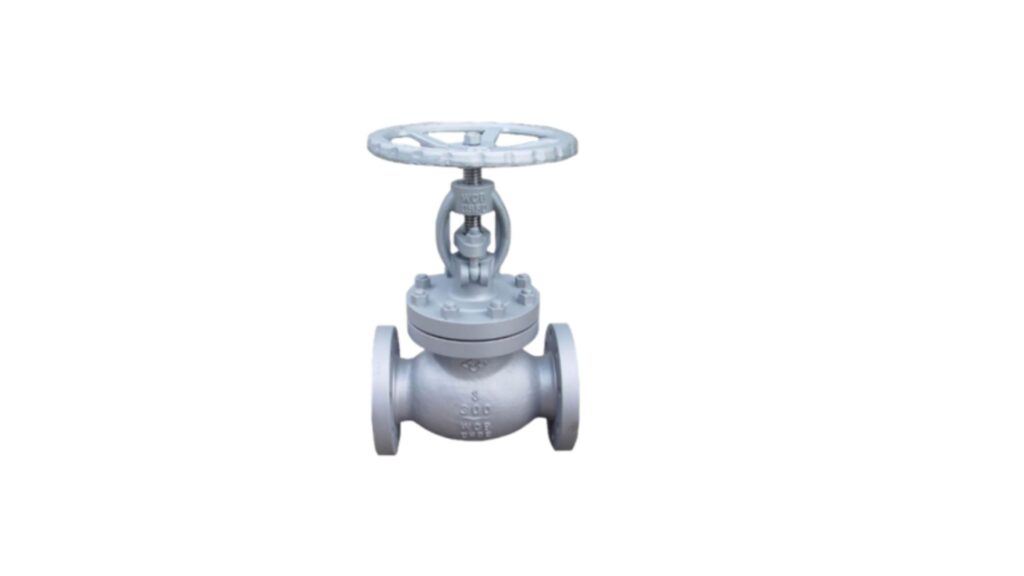
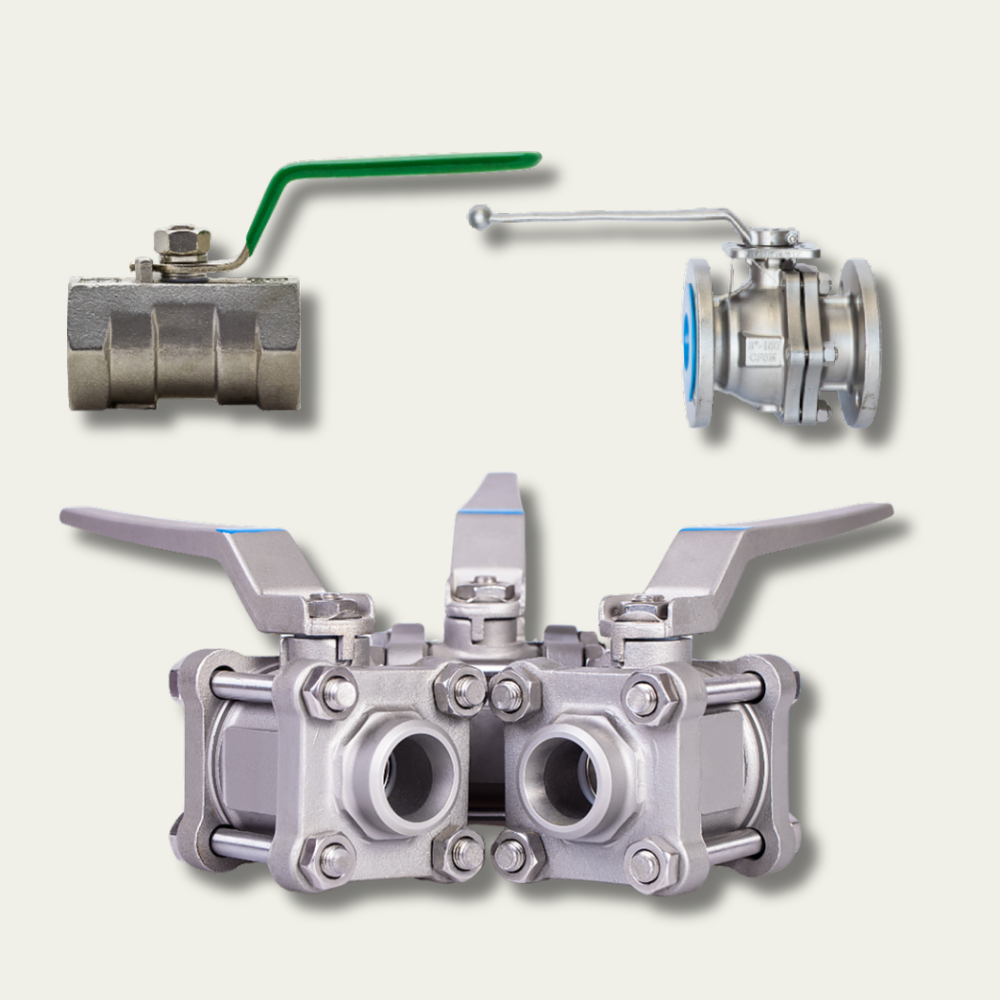
Selecting the right valve for an industrial application can feel overwhelming. With so many types, materials, and performance ratings available, making the right choice is essential for efficiency, safety, and long-term reliability. At Flowlink Valves & Controls, we know how important it is to match the right valve to your unique operating environment. This guide will walk you through the fundamentals of valve selection, helping you make an informed decision that fits your needs. Why Choosing the Right Valve Matters Valves are the backbone of industrial flow control. They regulate, isolate, and direct fluids or gases in critical systems. Choosing the wrong valve can result in: Premature wear and costly maintenance. Inefficient operation and energy losses. Safety risks due to pressure mismatches or leaks. Corrosion and contamination in sensitive environments. Increased downtime and replacement costs. When the correct valve is selected, industries benefit from: Smooth and reliable operations. Reduced maintenance cycles. Safer working conditions. Longer equipment lifespan. Optimised energy consumption. Understanding the Main Types of Industrial Valves Different valves are designed for specific functions. Here are the most common types you’ll encounter: Ball Valves Function: Quick shut-off, low-pressure drop. Advantages: Simple operation, durable, minimal leakage. Limitations: Not ideal for throttling applications. Best Applications: Oil & gas, chemical plants, water treatment. Learn more: Explore Ball Valves. Gate Valves Function: On/off control, less suited for throttling. Advantages: Full bore flow, low resistance. Limitations: Slow operation, prone to wear in high-cycle use. Best Applications: Pipelines requiring minimal flow resistance. Globe Valves Function: Throttling and flow regulation. Advantages: Precise flow control, good sealing. Limitations: Higher pressure drop compared to ball or gate valves. Best Applications: Steam systems, cooling water, chemical feeds. Butterfly Valves Function: Quick shut-off and moderate throttling. Advantages: Lightweight, cost-effective, space-saving. Limitations: Not suitable for very high pressures. Best Applications: HVAC, water distribution, fire protection systems. Check Valves Function: Prevents backflow. Advantages: Automatic operation, protects pumps and equipment. Limitations: Can cause water hammer if not selected properly. Best Applications: Pump discharge lines, chemical systems. Key Factors in Valve Selection When choosing a valve for your industrial application, consider the following critical factors: 1. Application Environment Temperature: High-temperature fluids require valves made from alloys like stainless steel or special heat-resistant materials. Corrosive media: Aggressive chemicals need corrosion-resistant materials such as stainless steel or lined valves. Cleanliness: Food, beverage, and pharmaceutical industries require sanitary valves with smooth surfaces for easy cleaning. 2. Valve Materials Carbon Steel: Strong and economical, but less corrosion resistant. Stainless Steel: Excellent corrosion resistance, ideal for harsh environments. Bronze/Brass: Good for water applications, but limited in high-pressure use. Plastic (PVC/CPVC): Lightweight, corrosion-resistant, but not suitable for extreme temperatures. 3. Pressure Ratings Always check that the valve can handle the maximum system pressure. Industrial valves are rated in PSI (pounds per square inch) or bar. Choosing the wrong rating may lead to dangerous system failures. 4. Flow Coefficient (Cv) The flow coefficient determines how much fluid passes through the valve at a given pressure drop. A higher Cv means greater capacity. Engineers use Cv to size valves correctly for efficiency. 5. Maintenance and Serviceability Valves with replaceable seats and seals are easier to maintain. Consider whether spare parts are readily available to reduce downtime. Comparing Valve Types: Pros and Cons Here’s a quick comparison to help guide your decision: Valve Type Best For Pros Cons Ball On/off control, fast shut-off Durable, low leakage, simple Poor throttling Gate Isolation in low-cycle systems Low resistance, full bore Slow, wear in repeated use Globe Throttling and flow regulation Precise control, tight shut-off Higher pressure drop Butterfly Large diameter flow applications Compact, cost-effective Limited high-pressure use Check Preventing backflow Automatic operation, pump safety Potential water hammer issues Decision-Making Framework for Valve Selection When faced with multiple options, a structured decision matrix can simplify selection. Example Valve Selection Matrix Criteria Weight (%) Ball Valve Gate Valve Globe Valve Butterfly Valve Check Valve Pressure Capability 25 4 5 4 3 3 Flow Control Accuracy 20 2 2 5 3 1 Maintenance Ease 15 5 3 3 4 3 Cost Efficiency 20 4 3 3 5 4 Space Requirements 10 3 2 3 5 4 Durability 10 5 4 4 3 4 Score (out of 5, weighted): Ball Valve: 4.1 Gate Valve: 3.4 Globe Valve: 4.0 Butterfly Valve: 4.2 Check Valve: 3.3 In this example, the butterfly valve scores highest due to cost and space savings, but the ball valve provides a strong balance of performance and durability. Ball Valves in Industrial Applications Ball valves deserve special mention because of their versatility. They are widely used in chemical, oil & gas, and water treatment industries due to their ability to provide a secure shut-off with minimal pressure drop. At Flowlink Valves & Controls, we provide a wide selection of industrial valve solutions designed for durability and reliability in challenging environments. Industry Use Cases To make this more practical, here are real-world examples of valve selection: Oil & Gas Pipelines: Gate valves are often chosen because they provide full bore flow and minimal resistance, reducing pumping costs. Pharmaceutical Production: Stainless steel sanitary ball valves are preferred for easy cleaning and contamination prevention. Water Distribution: Butterfly valves are cost-effective and lightweight, making them ideal for large-scale water systems. Chemical Processing: Globe valves are commonly used to control precise flow rates of corrosive fluids. Power Plants: High-pressure globe and gate valves are critical in steam systems Conclusion Choosing the right valve for your industrial application is about balancing performance, durability, and cost-effectiveness. By considering the application environment, valve materials, pressure ratings, and flow requirements, you can make a confident decision. At Flowlink Valves & Controls, we’re here to help you find the best solution for your specific needs. Whether you require ball, gate, globe, butterfly, or check valves, our expertise ensures you get the right fit for long-term efficiency and safety. Ultimately, the correct valve selection safeguards your system’s reliability, reduces costly downtime, and provides peace of mind knowing your processes will run smoothly. Investing time in choosing wisely today

We offer Engineering support and a complete suite of Engineered products for all your plant and flow control applications.

Operations & Warehouse

Follow Us