
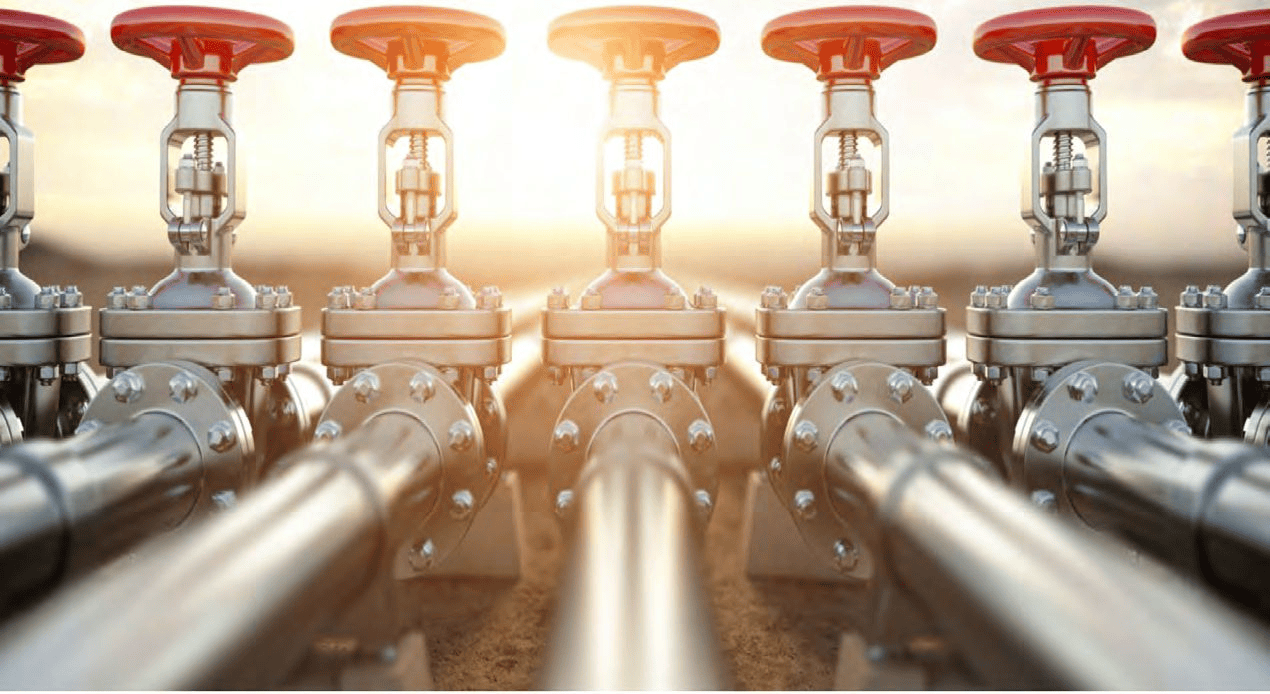
In industries such as mining, mineral processing, power generation, oil and gas, and heavy manufacturing, valves are exposed to some of the harshest operating environments imaginable. These applications often involve abrasive media, high pressures, aggressive flow velocities, temperature fluctuations, and corrosive process conditions. Under these circumstances, valve performance becomes critical to plant efficiency and operational continuity.
Despite advances in valve technology, severe service valve failure remains a persistent challenge across many industrial facilities. Unexpected valve failures can result in unplanned downtime, increased maintenance costs, production losses, and safety concerns. While many organizations invest in high-quality valves, premature failures still occur because the root causes are often linked to process conditions, material selection, installation practices, and application-specific challenges.
Understanding why severe-service valves fail prematurely is the first step toward improving reliability and reducing lifecycle costs. By identifying the common causes of wear and implementing engineered solutions, operators can significantly extend valve service life while improving overall plant performance.
Understanding Severe-Service Valve Applications
A severe-service application is any operating environment that subjects a valve to conditions beyond those typically encountered in standard industrial processes. These applications often involve a combination of high pressure, extreme temperatures, corrosive chemicals, high-cycle operation, and abrasive solids.
Examples include:
- Mining slurry transport systems
- Tailings handling operations
- Mineral processing plants
- High-pressure steam systems
- Chemical injection services
- Refinery process units
- Power generation facilities
In these environments, valves are expected to perform consistently despite constant exposure to conditions that accelerate wear and degradation. Standard valve designs may not provide the durability required, making specialized engineering and product selection essential.
Organizations facing these challenges often benefit from customized valve assessments and engineering support. Comprehensive industrial solutions are available through Flowlink Engineering Solutions.
The True Cost of Severe Service Valve Failure
When a valve fails prematurely, the impact extends far beyond the cost of replacing the component.
Valve failures can lead to:
- Production interruptions
- Increased maintenance expenses
- Reduced process efficiency
- Safety risks
- Environmental compliance concerns
- Equipment damage in downstream systems
In industries where continuous operation is essential, even a short shutdown can result in significant financial losses. This is particularly true in mining operations where processing delays can affect entire production chains.
As a result, improving valve reliability has become a strategic objective for many organizations focused on operational excellence and long-term asset performance.
Erosion Caused by Abrasive Media
One of the primary causes of severe service valve failure is erosion resulting from abrasive media.
Many industrial processes involve fluids carrying suspended solids such as sand, ore particles, mineral concentrates, ash, or other abrasive materials. As these particles travel through a valve at high velocity, they continuously impact internal surfaces.
Over time, this repetitive contact removes material from critical components including:
- Valve seats
- Closure elements
- Flow passages
- Valve trims
- Internal body surfaces
As erosion progresses, sealing surfaces become damaged, flow characteristics change, and leakage increases. Eventually, the valve loses its ability to perform its intended function.
The severity of erosion depends on factors such as particle size, hardness, concentration, flow velocity, and valve geometry. Even premium valve designs can experience rapid wear if these variables are not properly addressed.
This is why many facilities are increasingly turning to erosion resistant valves specifically engineered for abrasive process conditions.
Understanding Valve Wear Mechanisms
To effectively combat premature failures, it is important to understand the various valve wear mechanisms that occur in severe-service environments.
Sliding Abrasion
Sliding abrasion occurs when solid particles move across valve surfaces under pressure.
As particles slide over internal components, they gradually remove material from the surface. This process creates grooves, scratches, and dimensional changes that compromise valve performance.
Sliding abrasion is especially common in throttling applications where flow passes through partially open valve positions.
Impact Erosion
Impact erosion occurs when particles strike surfaces directly at high velocity.
Repeated impacts can remove material from seats, discs, balls, and trims, particularly in areas where flow direction changes abruptly.
The resulting damage can significantly reduce service life and increase maintenance requirements.
Corrosion-Erosion Interaction
In many industrial processes, erosion and corrosion occur simultaneously.
Corrosion weakens the material surface while erosion continuously removes protective oxide layers. Together, these processes accelerate degradation at a rate much higher than either mechanism alone.
Applications involving chemically aggressive slurries are particularly vulnerable to this combined wear effect.
Why Slurry Applications Accelerate Valve Failure
Among all industrial processes, slurry applications are often considered some of the most demanding.
Slurries consist of liquids carrying suspended solid particles. Depending on the process, these particles may be highly abrasive and present in significant concentrations.
Mining and mineral processing operations routinely handle slurries containing:
- Crushed ore
- Tailings
- Sand
- Coal fines
- Mineral concentrates
As slurry flows through a valve, particles continuously strike and abrade internal surfaces. Unlike clean fluid systems, slurry transport creates a constant wear environment that places exceptional demands on valve materials and design.
Without proper valve selection, severe wear can occur within relatively short operating periods.
This challenge makes erosion-resistant materials and specialized flow-control solutions critical for long-term performance.
Cavitation: A Hidden Source of Valve Damage
Cavitation is another major contributor to severe service valve failure.
Cavitation occurs when fluid pressure drops below its vapor pressure, causing vapor bubbles to form within the flow stream. As pressure recovers downstream, these bubbles collapse violently against nearby surfaces.
The collapse generates microscopic shockwaves capable of removing material from metal surfaces.
Common signs of cavitation include:
- Noise
- Vibration
- Surface pitting
- Reduced flow control performance
- Accelerated equipment wear
If left unaddressed, cavitation can rapidly damage valve trims and internal components.
Proper valve sizing and engineered flow-path designs play a crucial role in minimizing cavitation-related failures.
Material Selection Mistakes
One of the most common reasons severe-service valves fail prematurely is improper material selection.
Many valve specifications focus primarily on pressure and temperature requirements while overlooking wear resistance.
In high-wear environments, selecting the wrong material can dramatically shorten valve life.
Common material-related issues include:
- Soft seating materials exposed to abrasive solids
- Standard stainless steel used in highly erosive services
- Inadequate corrosion resistance
- Failure to account for particle hardness
Modern erosion resistant valves often utilize advanced materials such as:
- Tungsten carbide coatings
- Ceramic liners
- Hardened stainless steels
- High-chromium alloys
- Duplex stainless steel materials
These materials provide superior resistance to wear and help maintain performance in demanding applications.
For organizations seeking specialized valve sourcing expertise, Flowlink provides comprehensive sourcing services tailored to industrial requirements.
The Impact of Incorrect Valve Sizing
Valve sizing has a direct influence on reliability.
An oversized valve often operates near the closed position, forcing flow through a small opening. This increases velocity and creates localized turbulence that accelerates wear.
An undersized valve can create excessive pressure drops and elevated flow velocities, increasing the likelihood of erosion and cavitation.
Proper sizing should consider:
- Actual operating flow rates
- Pressure conditions
- Solids concentration
- Process fluid properties
- Future operating requirements
Engineering analysis during valve selection can prevent many common wear-related issues and improve overall system efficiency.
Frequent Cycling and Mechanical Fatigue
In many industrial applications, valves open and close repeatedly throughout the day.
This constant movement subjects components to mechanical stress and fatigue.
The most commonly affected parts include:
- Valve stems
- Actuators
- Bearings
- Seals
- Seating surfaces
Over time, repeated cycling weakens these components and increases the likelihood of failure.
Valves used in automated control systems often experience particularly high cycle counts, making durability and design quality essential considerations.
Installation and Operational Factors
Even the best valve design can fail prematurely if installation and operating practices are not properly managed.
Common installation-related problems include:
- Piping misalignment
- Improper actuator configuration
- Inadequate support structures
- Excessive mechanical stress
- Incorrect torque application
Operational practices also influence valve longevity.
Examples include:
- Operating outside design limits
- Excessive throttling
- Rapid pressure fluctuations
- Inadequate maintenance intervals
Addressing these issues requires a combination of proper installation procedures, operator training, and ongoing performance monitoring.
How Erosion Resistant Valves Improve Reliability
The increasing demand for improved asset performance has led many industries to adopt erosion resistant valves designed specifically for severe-service applications.
These valves incorporate advanced features intended to withstand aggressive operating environments.
Typical design enhancements include:
- Hardened trim materials
- Wear-resistant coatings
- Ceramic-lined flow paths
- Reinforced sealing surfaces
- Optimized internal geometries
The goal is not simply to resist wear but to manage how wear occurs over time.
By controlling particle impact patterns and reducing localized damage, erosion-resistant valves can significantly extend maintenance intervals and reduce operational disruptions.
Benefits include:
- Extended service life
- Lower maintenance costs
- Improved process stability
- Reduced downtime
- Enhanced safety performance
Mining Reliability Depends on Valve Performance
In the mining sector, valve reliability directly affects productivity and profitability.
Valve failures can interrupt critical processes such as:
- Ore transportation
- Slurry handling
- Dewatering systems
- Tailings management
- Process water distribution
Because mining environments routinely involve highly abrasive media, reliability programs increasingly focus on optimizing valve performance.
Improving mining reliability requires a lifecycle approach that considers:
- Valve selection
- Material compatibility
- Maintenance planning
- Spare parts management
- Process optimization
Organizations that prioritize reliability engineering typically experience lower total ownership costs and improved operational efficiency.
The Role of Ball Valves in Severe-Service Applications
Properly engineered ball valves are commonly used in severe-service environments due to their durability and excellent shutoff performance.
Advantages include:
- Tight sealing capability
- Fast operation
- Automation compatibility
- Reduced pressure loss
- Long service life
However, performance depends heavily on selecting the appropriate materials and configuration for the application.
For abrasive and slurry services, specialized ball valve designs with hardened components often provide superior durability compared to standard valve configurations.
Pressure Protection and System Integrity
Reliable pressure management is another critical factor in severe-service environments.
Pressure excursions can place additional stress on valves and associated equipment, accelerating wear and increasing failure risks.
Properly selected pressure safety devices help protect systems from abnormal operating conditions and contribute to overall plant reliability.
For critical industrial applications, pressure safety valve solutions play an important role in maintaining safe and efficient operations.
Best Practices for Preventing Severe Service Valve Failure
Reducing severe service valve failure requires a proactive approach that combines engineering expertise, proper product selection, and ongoing maintenance.
Successful organizations typically focus on:
- Selecting valves specifically designed for severe-service conditions
- Using wear-resistant materials appropriate for abrasive media
- Optimizing valve sizing
- Monitoring performance trends
- Conducting regular inspections
- Implementing predictive maintenance programs
- Working with experienced engineering and sourcing partners
These practices help address the root causes of wear rather than simply responding to failures after they occur.
Conclusion
Premature severe service valve failure is rarely the result of a single factor. In most cases, failures occur because of a combination of abrasive media exposure, slurry-related wear, cavitation, material incompatibility, improper sizing, mechanical fatigue, and operational challenges.
Understanding the underlying valve wear mechanisms allows organizations to make informed decisions regarding valve selection, maintenance strategies, and system design. In high-wear environments, particularly slurry applications, investing in properly engineered erosion resistant valves can dramatically improve performance and reliability.
For industries where uptime is critical, including mining and mineral processing, improving valve performance is essential for enhancing mining reliability, reducing maintenance costs, and maximizing operational efficiency.
Frequently Asked Questions
1. What is severe service valve failure?
Severe service valve failure refers to the premature loss of valve performance or functionality due to extreme operating conditions such as abrasive media, high pressure, corrosion, temperature fluctuations, or frequent cycling.
2. Why are slurry applications so damaging to valves?
Slurry applications contain suspended solid particles that continuously impact and abrade valve components, causing accelerated wear, erosion, and reduced sealing performance.
3. What are the most common valve wear mechanisms?
Common valve wear mechanisms include erosion, abrasion, cavitation, corrosion-erosion interaction, mechanical fatigue, and impact damage caused by high-velocity particles.
4. How do erosion resistant valves improve reliability?
Erosion resistant valves use advanced materials, coatings, and optimized flow designs that reduce wear caused by abrasive media, resulting in longer service life and lower maintenance costs.
5. How can mining operations reduce severe service valve failure?
Mining operations can reduce failures by selecting application-specific valves, using wear-resistant materials, optimizing valve sizing, implementing predictive maintenance programs, and partnering with experienced engineering specialists.