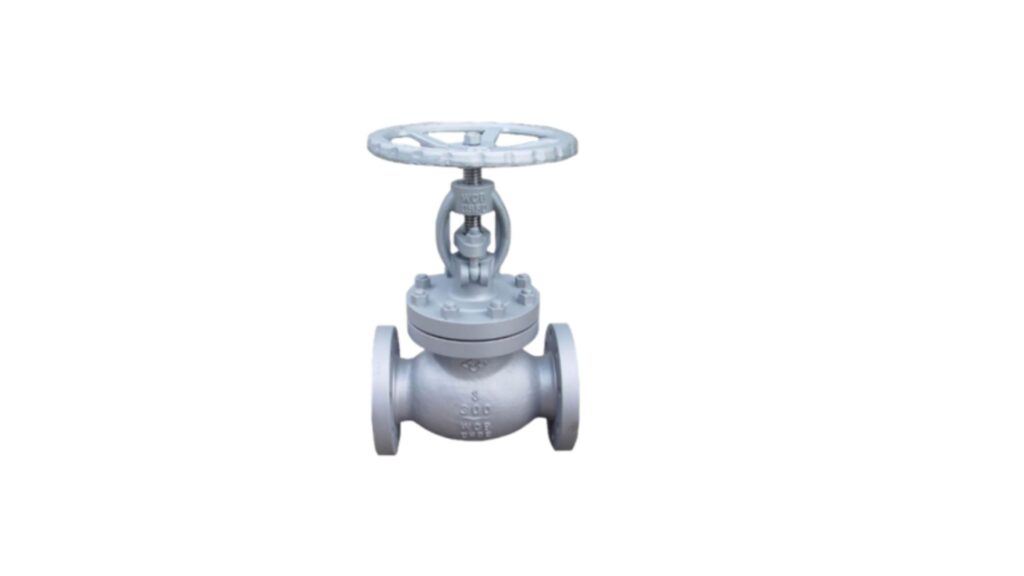
In industrial plants, unplanned downtime is more than an inconvenience—it is a direct hit to productivity, safety, compliance, and profitability. From processing facilities and power plants to water treatment systems and manufacturing lines, valves are critical components that regulate flow, pressure, and temperature across operations.
When a valve fails, it can shut down an entire system. That’s why understanding and implementing valve maintenance best practices is essential for plant maintenance teams and operations management.
This pillar guide provides a practical checklist, actionable tips, and a suggested maintenance schedule to help your team prevent failures, extend asset life, and maintain optimal system performance. We’ll also explore how lubrication, inspections, and structured documentation play a vital role in maintaining control valves, butterfly valves, and other critical assets.
Why Valve Maintenance Is Critical to Preventing Downtime
Valves operate in demanding environments—high pressure, corrosive fluids, temperature extremes, vibration, and constant cycling. Over time, wear and tear can cause:
- Internal leakage
- Seat damage
- Actuator malfunction
- Seal degradation
- Stem misalignment
- Loss of calibration
If left unchecked, these minor issues escalate into major breakdowns.
For plant managers and maintenance teams, a proactive maintenance strategy ensures:
- Improved equipment reliability
- Reduced emergency repairs
- Lower lifecycle costs
- Safer operations
- Better regulatory compliance
A structured valve maintenance program shifts your team from reactive firefighting to predictive asset management.
Common Causes of Valve Failure
Before diving into the checklist, it’s important to understand what typically causes valve failures.
1. Inadequate Lubrication
Improper or infrequent lubrication leads to excessive friction, stem wear, actuator strain, and eventual seizure.
2. Corrosion and Erosion
Chemical exposure, abrasive media, and poor material compatibility degrade internal components.
3. Poor Installation
Incorrect alignment, improper torque settings, or unsupported piping stress valves beyond design limits.
4. Lack of Regular Inspection
Small leaks and minor wear often go unnoticed until they become system-wide problems.
5. Over-Cycling
Frequent operation without adequate servicing reduces the lifespan of moving components.
Understanding these causes allows maintenance teams to design preventive strategies that address issues before failure occurs.
Valve Maintenance Best Practices: The Complete Checklist
Below is a structured checklist tailored for plant maintenance teams.
1. Visual Inspection Routine
Frequency: Weekly or Monthly (depending on criticality)
Check for:
- External leaks
- Corrosion on body and bolting
- Loose fasteners
- Cracked welds
- Damaged insulation
- Actuator air leaks (for pneumatic systems)
Visual inspections are the first line of defense in valve maintenance best practices. They are simple, quick, and can prevent major failures.
2. Operational Testing
Frequency: Monthly or Quarterly
- Cycle valves fully open and closed
- Verify smooth movement
- Listen for abnormal noise
- Confirm response time
- Check actuator feedback signals
For control valves, verify signal calibration and stroke response accuracy. Any lag or overshoot may indicate actuator or positioner issues.
3. Lubrication Management
Frequency: Based on manufacturer guidelines (typically 3–6 months)
Lubrication is one of the most overlooked maintenance activities.
Best practices include:
- Use manufacturer-recommended grease
- Avoid over-lubrication (which attracts contaminants)
- Clean fittings before applying grease
- Track lubrication intervals digitally
- Replace degraded grease completely during servicing
For butterfly valves, ensure stem and gear operators are properly lubricated to prevent excessive torque requirements.
A structured lubrication program reduces friction, prevents galling, and significantly extends valve lifespan.
4. Leak Testing and Seat Integrity Checks
Frequency: Quarterly or Semi-Annually
- Perform pressure testing
- Check for internal bypass
- Monitor downstream pressure stability
- Conduct seat leak detection tests
Internal leakage in control valves often results in energy loss and process instability. Early detection prevents performance degradation.
5. Actuator and Control System Maintenance
Frequency: Quarterly
Inspect:
- Air supply quality (dry and filtered)
- Electrical wiring integrity
- Positioner calibration
- Stroke alignment
- Mounting bracket stability
Improper actuator performance can mimic valve failure. Regular calibration ensures optimal performance.
6. Seal and Packing Replacement
Frequency: Annually (or as needed)
Packing wear is a common cause of fugitive emissions and leakage. Replace:
- Stem packing
- O-rings
- Gaskets
- Diaphragms
Preventative replacement during planned shutdowns avoids emergency outages.
7. Documentation and Record Keeping
A digital maintenance log should track:
- Inspection dates
- Lubrication cycles
- Repair history
- Failure trends
- Replacement intervals
Trend analysis allows operations management to identify recurring issues and adjust maintenance frequency accordingly.
Suggested Valve Maintenance Schedule
Below is a general maintenance schedule that plant maintenance teams can adapt:
Weekly
- Visual inspection of critical valves
- Check for leaks and unusual noise
Monthly
- Operational stroke testing
- Verify actuator functionality
- Spot lubrication if required
Quarterly
- Pressure testing
- Control valve calibration
- Actuator air supply inspection
Semi-Annual
- Internal inspection (where feasible)
- Comprehensive lubrication
- Seal condition assessment
Annual
- Full overhaul of high-criticality valves
- Replacement of packing and gaskets
- Performance benchmarking
Critical valves in high-pressure or corrosive environments may require shorter intervals.
Predictive Maintenance vs Preventive Maintenance
Modern plants are shifting toward predictive maintenance strategies.
Preventive Maintenance
Scheduled servicing regardless of condition.
Predictive Maintenance
Uses condition monitoring tools like:
- Vibration analysis
- Thermal imaging
- Acoustic monitoring
- Smart positioners
By analyzing performance data, teams can service valves only when needed—reducing unnecessary labor while preventing failures.
Integrating predictive technologies into valve maintenance best practices enhances reliability and cost efficiency.
Tips to Extend Valve Life
Beyond the checklist, here are practical tips:
Proper Installation
Ensure piping alignment and torque compliance during installation.
Material Compatibility
Match valve material to fluid characteristics.
Avoid Over-Torquing
Excessive force damages seats and stems.
Train Maintenance Staff
Skilled technicians identify early warning signs faster.
Maintain Clean Media
Filtration prevents debris from damaging seats and seals.
Use Quality Components
Inferior replacement parts reduce lifecycle performance.
Partnering with experienced providers like Flowlink Valves & Controls ensures access to high-quality industrial valves and expert guidance for long-term reliability.
Special Considerations for Control Valves
Control valves require more attention due to their dynamic role in regulating process variables.
Best practices include:
- Frequent calibration checks
- Monitoring signal response
- Inspecting trim wear
- Verifying actuator alignment
- Tracking hysteresis levels
Even minor deviations in control accuracy can impact product quality and energy efficiency.
Special Considerations for Butterfly Valves
Butterfly valves are widely used due to their compact design and cost-effectiveness.
Maintenance priorities include:
- Seat integrity inspection
- Stem lubrication
- Disc alignment verification
- Checking for debris obstruction
- Ensuring gear operator functionality
Because butterfly valves rely on tight sealing surfaces, regular inspection prevents leakage and torque escalation.
Creating a Valve Maintenance Culture
Technology alone does not prevent downtime—culture does.
Plant operations management should:
- Implement standard operating procedures
- Encourage proactive reporting
- Schedule routine audits
- Allocate budget for preventive maintenance
- Review downtime root causes
A strong maintenance culture transforms valves from weak points into reliability assets.
When to Repair vs Replace
Consider replacement when:
- Repair costs exceed 50% of new valve cost
- Obsolete components are unavailable
- Frequent breakdowns occur
- Process upgrades demand higher performance
Strategic replacement during planned shutdowns prevents unexpected failures.
Partnering with Experts
Industrial plants benefit from working with trusted valve specialists who understand application requirements and lifecycle management.
Flowlink Valves & Controls supports plant maintenance teams with high-quality industrial solutions, technical expertise, and reliable service support for control valves, butterfly valves, and other essential systems.
If your team is reviewing maintenance procedures or planning system upgrades, contact us to discuss tailored valve maintenance strategies that align with your operational goals.
Frequently Asked Questions (FAQ)
1. How often should industrial valves be inspected?
Critical valves should undergo weekly visual checks and quarterly functional testing. Less critical valves can follow monthly or semi-annual schedules.
2. Why is lubrication so important in valve maintenance?
Proper lubrication reduces friction, prevents wear, protects against corrosion, and extends component life. Poor lubrication is one of the leading causes of premature valve failure.
3. What are early signs of valve failure?
Common signs include leakage, vibration, abnormal noise, slow actuation, pressure fluctuation, and difficulty in operation.
4. Should all valves follow the same maintenance schedule?
No. Maintenance frequency depends on application, pressure rating, media type, and criticality level.
5. How can predictive maintenance reduce downtime?
By monitoring valve performance data, teams can detect abnormalities early and perform maintenance before catastrophic failure occurs.
Building a Risk-Based Valve Maintenance Strategy
Not all valves carry the same operational risk. A key component of advanced valve maintenance best practices is implementing a risk-based classification system. This approach allows plant maintenance teams to allocate time, budget, and labor resources where they matter most.
Start by categorizing valves into three tiers:
Tier 1 – Critical Valves
These directly impact safety, environmental compliance, or production continuity. Failure can shut down the entire plant or create hazardous conditions. These valves require frequent inspection, predictive monitoring, and documented performance benchmarking.
Tier 2 – Essential Process Valves
These support production but do not immediately threaten safety if they fail. They should follow structured preventive maintenance schedules with quarterly reviews.
Tier 3 – Non-Critical Valves
Used in auxiliary systems with minimal operational risk. Annual inspections may be sufficient.
This classification ensures maintenance teams avoid over-servicing low-risk assets while preventing neglect of high-impact components.
Integrating Digital Maintenance Tracking
Modern plants are increasingly digitizing maintenance workflows. Instead of relying solely on paper logs, consider implementing a Computerized Maintenance Management System (CMMS) to:
- Automate inspection reminders
- Track lubrication cycles
- Store repair history
- Generate failure trend reports
- Analyze downtime patterns
Digital tracking enhances accountability and provides operations management with measurable performance data. Over time, these insights help optimize maintenance frequency and reduce unnecessary interventions.
Spare Parts Management and Inventory Planning
Downtime often increases not because of the failure itself, but due to delays in sourcing parts. A proactive spare parts strategy should include:
- Maintaining critical seal kits and packing sets
- Keeping actuator repair kits in stock
- Storing backup control components
- Reviewing lead times for specialty valves
Working with experienced partners like Flowlink Valves & Controls ensures faster access to high-quality replacements and technical advice when needed.
When maintenance teams combine structured scheduling, proper lubrication practices, digital tracking, and strategic inventory planning, they create a resilient system that minimizes risk and maximizes uptime.
Final Thoughts
Implementing valve maintenance best practices is not optional—it is essential for preventing downtime, ensuring safety, and maintaining production efficiency.
Through structured inspections, consistent lubrication, proper documentation, and predictive strategies, plant maintenance teams can significantly reduce unexpected failures.
By combining expert knowledge, quality components, and disciplined maintenance culture, industrial facilities can transform valve management from a reactive task into a strategic advantage.
For expert guidance and reliable industrial valve solutions, Flowlink Valves & Controls is ready to support your maintenance goals. Contact us to strengthen your valve reliability program and keep your operations